
While most Austin residents are retreating indoors to escape the occasional cold snap or decorating for the holidays, savvy homeowners are doing something different. They are breaking ground. Yes, winter landscape construction is possible, and even recommended!
It is a common misconception that landscape construction in Austin is strictly a “springtime activity.” In reality, waiting until the first warm day in March to call a landscaper is the most common mistake a homeowner can make. By the time the bluebonnets bloom, the premier award-winning design-build firms are often booked through July, and the brutal Texas summer heat is already peering around the corner.
At Southern Landscape, we’ve spent decades perfecting the art of the “Winter Build.” By shifting your project timeline to the cooler months, you leverage the Dormant Advantage. Starting your project during the dormant season gardening window allows you to take advantage of natural plant cycles, superior hardscape curing conditions, and shorter administrative project lead times.
The result? Your backyard is 100% finished, cured, and ready for use by the very first BBQ of spring.
1. Protecting Your Softscape: The Dormancy Benefit
Construction is, by nature, heavy and invasive work. Whether you are installing a custom pool, a tiered stone retaining wall, or a luxury outdoor kitchen installation, the process necessitates foot traffic, heavy machinery, and significant soil disruption. However, by performing this work while your softscape is dormant, you are utilizing nature’s own defense mechanisms to ensure your garden survives—and thrives—post-construction.
The Science of Root Protection and Metabolic Rest
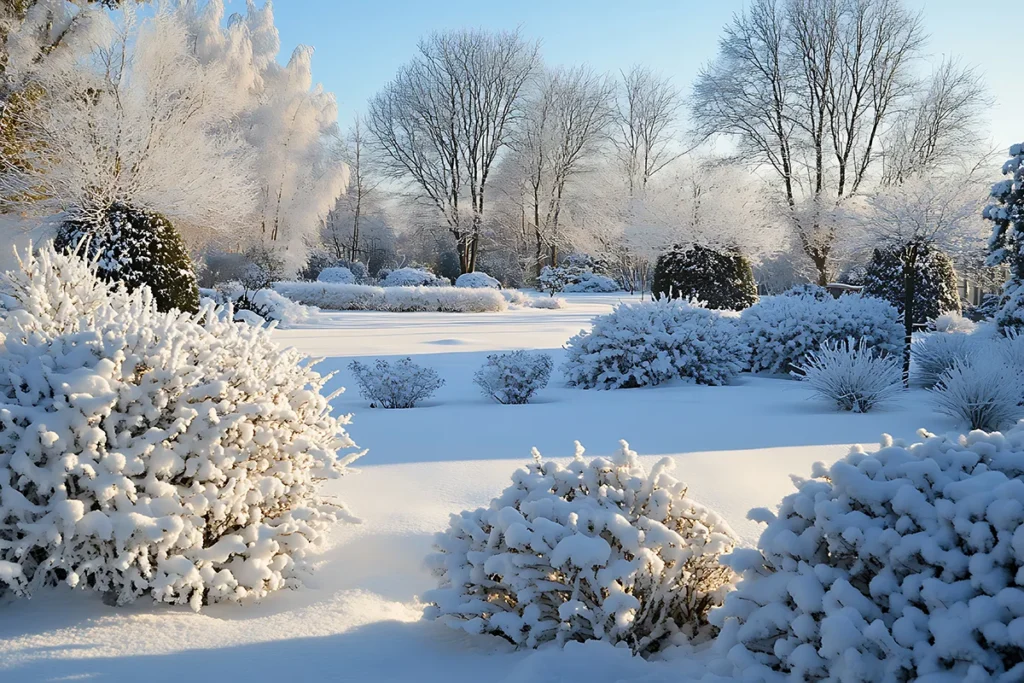
In the Austin area, our landscapes are defined by high-performance greenery. During the spring and summer, plants are in their “active” phase. If a root is nicked during this time, it can lead to immediate transplant shock. During the winter, most of our native plants enter a state of metabolic rest, making winter backyard remodeling the safest time for major earthmoving.
During the winter, most of our native and adapted plants enter a state of metabolic rest. Instead of focusing on foliage, the plant redirects its energy downward into the root system. Root protection is significantly more effective during this phase for three reasons:
- Low Transpiration: Since the plant isn’t supporting a full canopy of leaves, it requires less water, making it less vulnerable to minor root loss.
- Energy Reserves: Plants have already stored their “food” (carbohydrates) in their root tissues, providing them with the fuel needed to repair any minor disturbances once the ground warms.
- Hormonal Timing: Many trees begin their most vigorous root hair growth in late winter. By finishing construction before the spring “flush,” you allow the plant to grow its new roots into the freshly settled soil exactly when it’s naturally programmed to do so.
Navigating Austin’s Heritage Trees
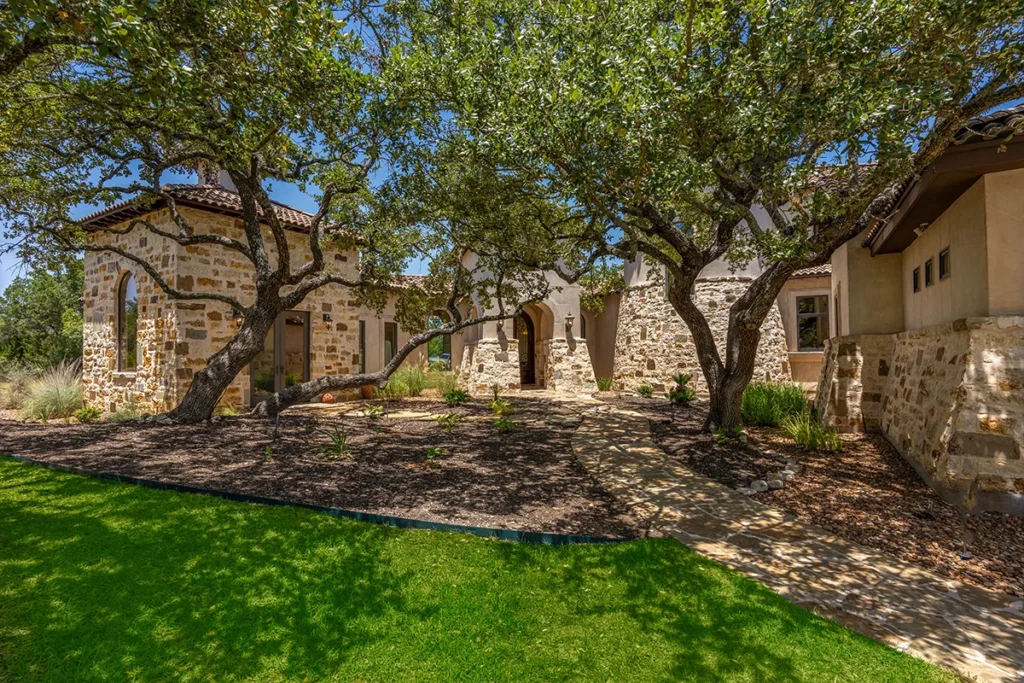
Austin is famous for its Heritage Oaks—Post Oaks, Live Oaks, and Bur Oaks that have stood for a century or more. These majestic trees are protected by strict city ordinances because they are ecologically irreplaceable and provide immense property value.
Working around the Critical Root Zone (CRZ) of these giants requires a surgical touch. At Southern Landscape, we find that winter is the “Safety Zone” for these trees. With the canopy dormant, the tree’s internal pressure is lower, and the risk of spreading pathogens (such as Oak Wilt, which is a major concern during the active pruning months of spring) is significantly reduced. By timing construction for the winter, we can implement root pruning and soil aeration techniques that integrate perfectly with the tree’s natural cycle, ensuring that your new patio doesn’t come at the cost of your old-growth shade.
Turf Recovery and Soil Structural Integrity
Austin’s clay-heavy “Blackland Prairie” soil is notorious for its difficult personality. In the spring rains, it becomes a “mud trap” that holds moisture too long; in the August heat, it turns into “rock-hard” cracked earth that can snap tool blades.
Winter provides the “Goldilocks” soil condition. The ground is typically firmer and more stable, allowing it to support the weight of skid steers and mini-excavators with less deep-level compaction.
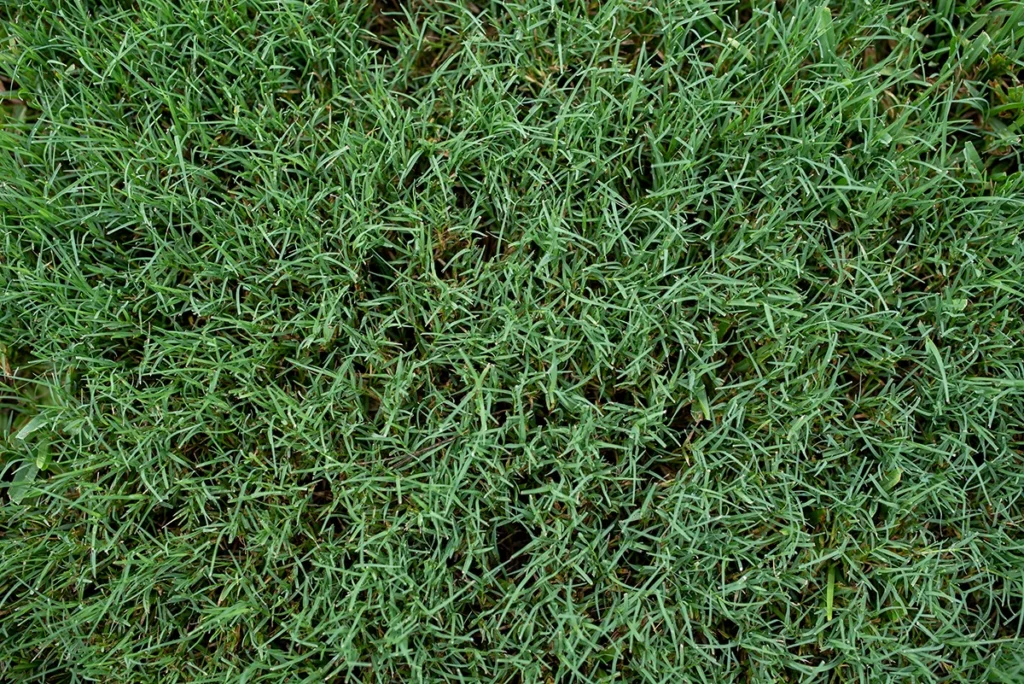
- Turf Remediation: Most Central Texas grasses, like Bermuda or Zoysia, go dormant in the winter. You can learn more about identifying and caring for these varieties via the Texas Turfgrass Association. This dormancy allows our crews to perform necessary grading without fighting the rapid growth of the grass.
- Visibility and Access: Deciduous plants have dropped their leaves, revealing the true “skeleton” of your yard. This gives our design and build teams clearer sightlines and better access to tight corners. We can navigate machinery with precision, avoiding overhanging branches that would be hidden or easily damaged during the lush summer months.
By the time the soil warms up in March, the heavy lifting is done. Your plants wake up in a refreshed environment, with the stress of construction already a distant memory.
2. The “Goldilocks” Season: Ideal Conditions for Hardscaping
When envisioning the perfect day for masonry and stone work, many homeowners picture a bright, sunny Texas afternoon. However, from a structural engineering standpoint, the blistering heat of an Austin summer is actually the enemy of high-quality hardscaping. To build a patio, outdoor kitchen, or retaining wall that lasts for decades, you need controlled conditions. Winter in Central Texas provides exactly that—a “Goldilocks” climate where it is neither too hot for the materials nor too frozen for the ground.
The Chemistry of the “Low and Slow” Cure
Cure Hardscaping in Austin, TX, is a chemical process. The 50- to 60-degree days of winter allow for a “low and slow” cure of concrete and mortar. In 100-degree heat, water evaporates too quickly, leading to shrinkage cracks and brittle bonds. Winter ensures the crystalline structures within the cement knit together tightly, resulting in a much denser, stronger product. The Interlocking Concrete Pavement Institute (ICPI) provides technical specifications that highlight how temperature stability impacts the long-term durability of segmental systems.
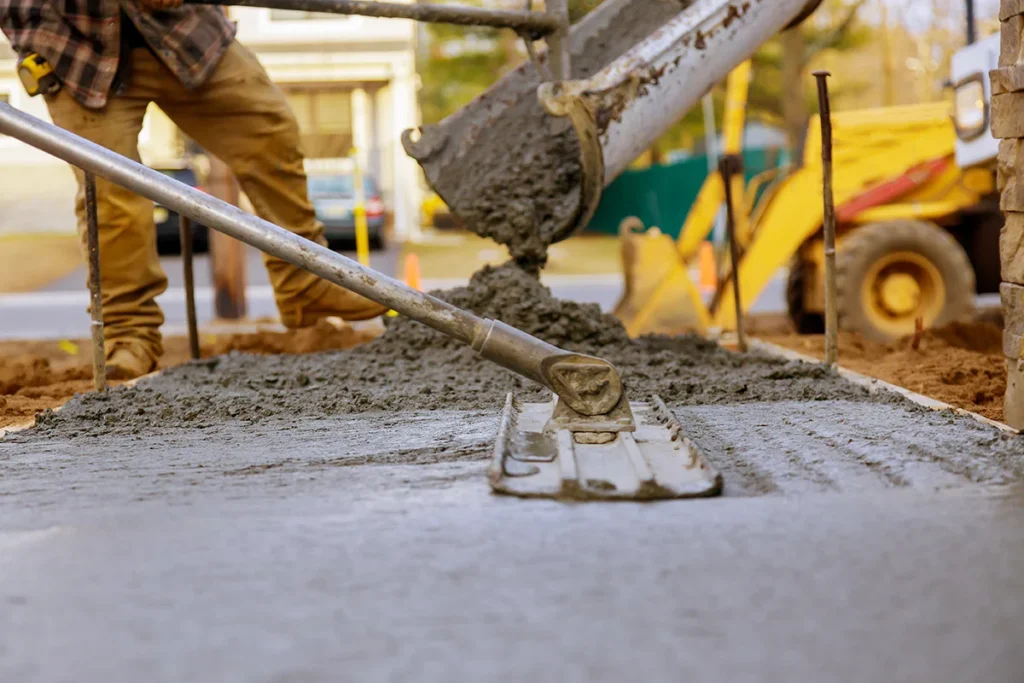
In the 100-degree heat of August, the water in your mortar evaporates far too quickly. This “flash drying” interrupts the hydration process, leading to:
- Shrinkage Cracks: As moisture leaves the material too fast, it pulls apart, leaving micro-fissures.
- Brittle Bonds: Mortar that dries too quickly never reaches its full compressive strength, making stone steps or pool coping more likely to loosen over time.
- Surface Scaling: The top layer of concrete can become dusty or flaky if the sun “bakes” it before it cures.
In contrast, the 50- to 60-degree days of an Austin winter allow for a “low and slow” cure. The moisture stays in the mix longer, allowing the crystalline structures within the cement to knit together tightly. This results in a much denser, stronger, and more durable finished product that can withstand the elements for years to come.
Soil Stability and the Austin Clay Factor
Central Texas is famous (or perhaps infamous) for its “Blackland Prairie” soil. This clay-heavy earth is highly expansive, meaning it swells when it’s wet and shrinks—leaving massive cracks—when it’s bone-dry.
Attempting to set footings or build retaining walls in the middle of a summer drought is a moving target. The soil is at its most retracted state, which can lead to shifting once the autumn rains arrive. During the winter, soil moisture levels are typically at a more “neutral” and consistent baseline. This stability is crucial for:
- Leveling: Ensuring your pavers and patio stones stay perfectly flat.
- Footing Depth: Digging to the appropriate depth for retaining walls is more precise when the soil isn’t “rock hard.”
- Compaction: Achieving the proper PSI (pounds per square inch) of compaction for a sub-base is much more effective when the soil has a natural, manageable moisture content.
Why the “Texas Winter” is Unique
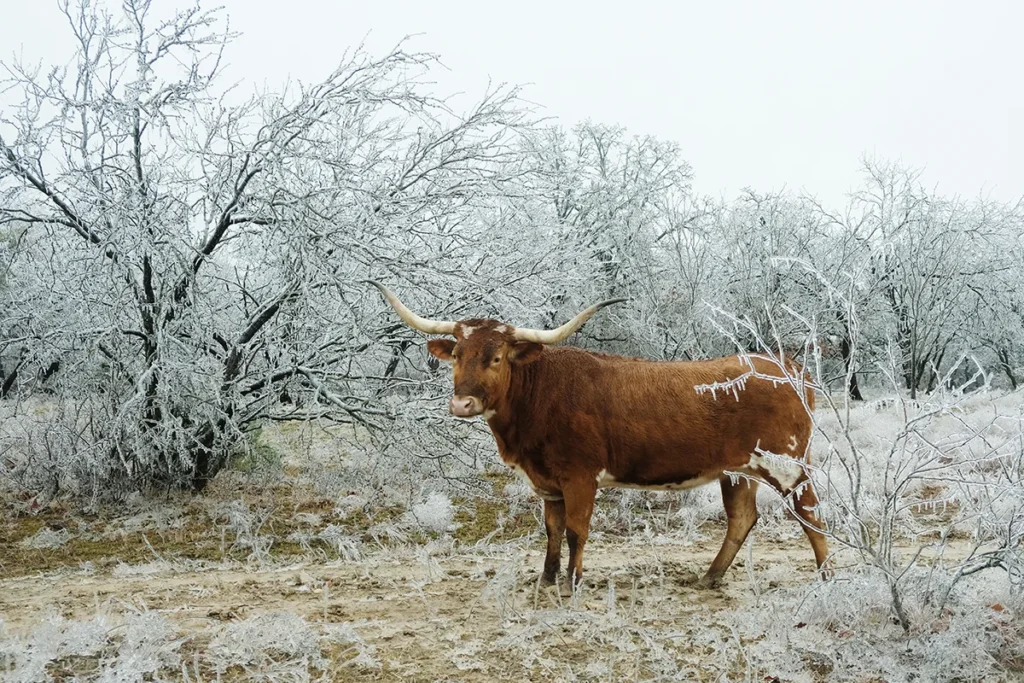
In northern climates, winter construction is often impossible due to “ground heave”—where the moisture in the soil freezes and expands, lifting entire structures. In Austin, our frost line is negligible. We rarely experience the deep-freeze cycles that halt construction in the North. This makes our winter a strategic “sweet spot”: it’s cool enough to protect the chemistry of our materials, but mild enough to keep the project moving forward without the risk of frost damage. You can track our local soil temperature and climate trends through the National Weather Service – Austin/San Antonio office to see why our winters remain so construction-friendly.
3. Beating the “Spring Fever” Backlog
There is a predictable rhythm to the landscaping industry in Texas. Around mid-February, as the first hints of warmth hit the air, every homeowner in Travis and Hays County has the same realization: “We need a backyard for the summer.”
Avoiding the “April Waitlist”
By the time the bluebonnets are in full bloom, the premier award-winning design-build firms are often already booked through the Fourth of July. If you start your design process in April, you might not see a finished project until the kids are heading back to school in August.
By initiating your project in the winter, you are moving against the grain of the market. You get the undivided attention of Austin landscape designers with winter availability before the “Spring Fever” rush hits.
The Logistics of Permitting and Procurement
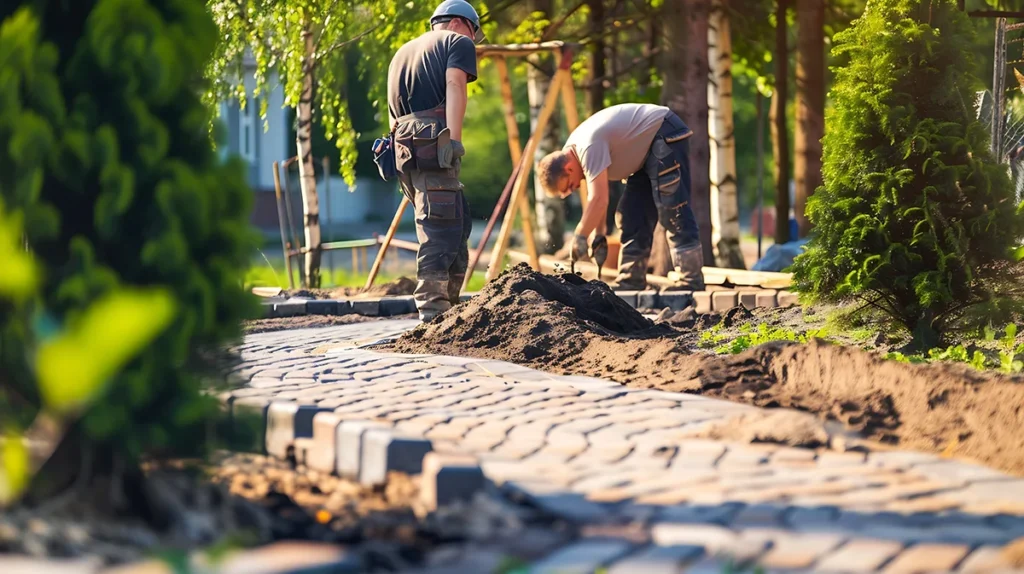
The “behind-the-scenes” work of a landscape transformation often takes longer than the construction itself.
- Permit Processing: The City of Austin Development Services Department often sees a seasonal dip in applications, which can lead to faster approvals for your landscaping permits in Austin.
- Material Sourcing: Whether it’s custom-cut Lueders limestone or high-end outdoor appliances like Delta Heat grills, supply chains have peak seasons. Ordering your materials in the winter ensures they are sitting in our warehouse, ready for install, while others are stuck on a three-month backorder list in May.
4. The Southern Landscape Advantage: Why Our Winter Landscape Construction Process Wins
At Southern Landscape, we don’t just “work through” the winter; we master it. Our award-winning design-build philosophy is centered on efficiency, longevity, and client experience. We recognize that your home is your sanctuary, and the less time it spends as a “construction zone” during your peak outdoor living months, the better.
Proactive Design-to-Build Pipeline
When you choose to partner with us during your winter landscape construction, you benefit from our Full-Service Construction Management. While other contractors might be “hibernating” or slowing down, our teams are in high gear.
- Integrated Design Phase: Our designers spend the early winter months working closely with you to refine every detail—from the specific grain of the stone to the placement of integrated LED lighting. By the time the permits clear, every stone is selected and every plant is sourced.
- Climate-Adaptive Logistics: We are experts at managing Austin’s winter weather. If a sudden rainstorm rolls through, our crews are trained in advanced erosion control and site stabilization. We don’t just walk away when it gets muddy; we manage the site to ensure your existing property remains clean and protected.
Protecting Your Investment During the Build
The value of your home is tied to its curb appeal and the health of its existing ecosystem. During a winter build, we take extra precautions that go beyond the industry standard:
- Perennial Protection: If your project requires moving established perennials, winter is the optimal time for “transplant surgery.” We carefully relocate these plants while they are dormant, giving them the best chance to take root in their new location before the spring heat.
- Drainage and Grading Mastery: Winter is the best time to see how water truly moves across your property. By building during the wetter months, we can identify and correct drainage issues in real-time, ensuring that your new patio or pool deck doesn’t create “pooling” problems down the road.
- Site Cleanliness: We understand that even in winter, you still live there. Our crews maintain a professional, tidy job site, ensuring that the “mess” of construction is contained and managed.
Your Spring Oasis is Won in the Winter
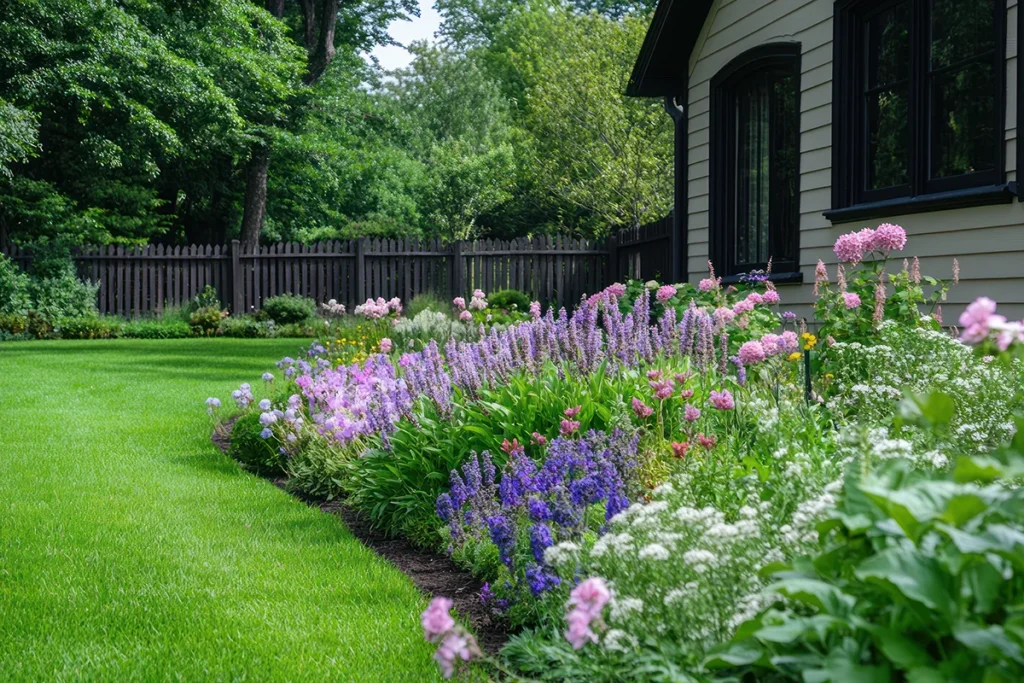
The strategic case for winter landscape construction is undeniable. By leveraging the Dormant Advantage, you aren’t just getting a head start on the season; you are ensuring a higher quality build. You are protecting your “Heritage” trees when they are most resilient, allowing your masonry to cure to its maximum strength in the “Goldilocks” climate, and bypassing the frantic, months-long waitlists that define the Austin spring rush.
Think of it this way: Would you rather spend your first beautiful 75-degree Saturday in March listening to the sound of jackhammers and looking at a pile of gravel, or would you rather be firing up your new built-in grill while your children play on a freshly cured patio?
The most stunning, sustainable, and structurally sound landscapes in Central Texas are those built with foresight. Don’t wait for the heat to start thinking about your backyard transformation. The most beautiful spring yards are the ones built while the garden is still asleep.
Take the First Step Toward Your Dream Backyard
At Southern Landscape, we turn visions into reality, regardless of the season. Our calendar for the upcoming winter build cycle is filling up quickly as savvy homeowners realize the benefits of the “Dormant Advantage.”
Are you ready to be “Spring-Ready”?
Contact Southern Landscape today to schedule your comprehensive design consultation. Let’s ensure that when the first bluebonnet appears, your backyard oasis is ready for you.