
In Austin, March is the ultimate green light. The bluebonnets are waking up along Mopac, the cedar pollen is (thankfully) fading into a memory, and the Central Texas landscape is transforming literally overnight. One day, you’re looking at a dormant, brown lawn, and the next, your Texas Sage is screaming for attention—which is why keeping a strict March landscaping checklist is the only way to stay ahead of the curve.
But don’t let the sunny 75-degree days fool you. For homeowners in the Hill Country and the Austin metro area, March is a high-stakes sprint. If you missed the heavy pruning window in February, you are now in a dead heat against the looming 90-degree summer. Even more pressing, the “No-Prune Zone” for our iconic Oaks is officially in effect, and the window for getting new roots established is closing fast as the humidity begins to climb.
Success in a Central Texas March is all about the Pivot. It’s time to shift your focus from heavy structural hacking to strategic planting, aggressive weed management, and ironclad Oak Wilt protection. To ensure your outdoor living space remains a sanctuary rather than a chore, you must understand the unique biological rhythms of our region. Here is your definitive guide to winning the March Madness of gardening and ensuring your landscape is prepared for the long road to August.
1. The Last Call for Cleanup
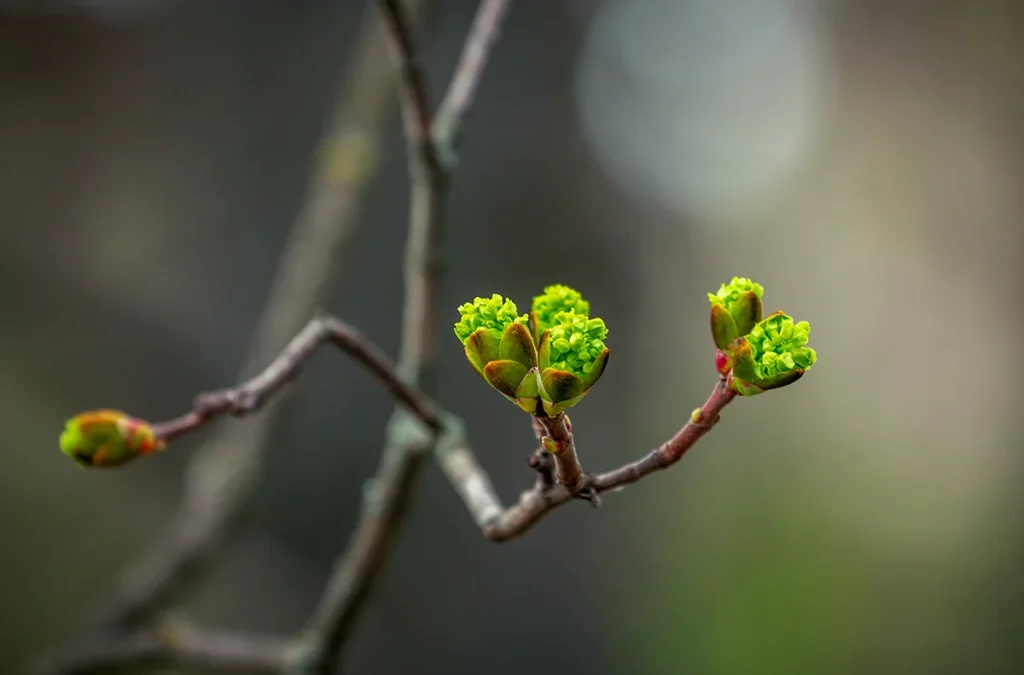
By the time the first week of March rolls around, most perennials in Austin are already showing green eyes or tiny leaf buds at the base. If you haven’t cleared away the freeze-fried wood from our winter snaps, it is officially now or never. If you wait much longer, you’ll find yourself accidentally pruning off this year’s fresh growth as you try to untangle the dead stems.
Leaving dead material too long isn’t just an eyesore; it’s a biological hurdle. Old, brittle stalks trap humidity and create a breeding ground for early-season pests and fungal pathogens. By clearing the skeleton of last year’s garden, you improve airflow and allow the strengthening Texas sun to reach the soil surface, warming the root zone and signaling the plant to kick into high gear. This transition from winter dormancy to spring vitality requires a clean slate to ensure your landscape looks intentional and manicured rather than overgrown and neglected.
Actionable Advice for Late Cleanup:

- Perennials: If your Lantana, Esperanza, or Pride of Barbados still looks like a bundle of gray sticks, cut them back to about 4–6 inches from the ground immediately. This allows the sun to hit the crown and spurs vigorous new growth.
- Ornamental Grasses: Most Mexican Feather Grass and Gulf Muhly should have been chopped in February. If yours hasn’t started greening up in the center, give it a hard haircut (down to about 3 inches). However, if you already see significant green shoots, stick to light shaping; a late heavy chop can stunt the plant for the entire season.
- Roses: If your roses have already leafed out (as they often do by early March in Travis County), skip the heavy structural prune. Instead, focus on light deadheading once the first flush of blooms finishes. This keeps the plant’s energy focused on flowers rather than trying to repair heavy wounds during the spring growth spurt.
The Local Angle: While we all want to believe winter is over, ask yourself, “When is the last frost in Austin?” Historically, our average last freeze date is March 18, but we’ve seen frost as late as April. Keep your frost blankets easily accessible in the garage. If a surprise late-season Blue Norther dips temperatures below 32°F, you’ll need to cover those tender new transplants immediately.
2. The Forbidden Zone: Strict Oak Wilt Prevention
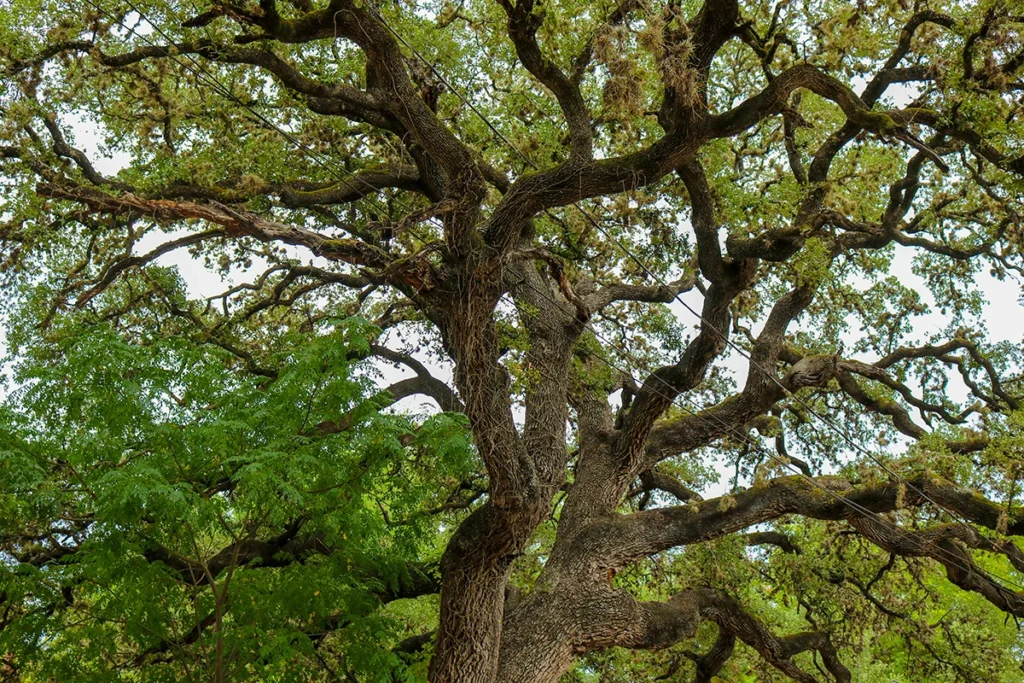
This is the most critical rule for any Austin property owner: We are now in the heart of the “No-Prune” season. Running from February 1 through June 30, this window is designed to protect our urban canopy from the devastating effects of Oak Wilt. In Central Texas, our Live Oaks and Red Oaks aren’t just landscaping; they are invaluable assets that provide shade, reduce cooling costs, and anchor property values. Allowing this fungal pathogen to enter your landscape is a catastrophic mistake that can ripple through your entire neighborhood, as the disease can also spread through interconnected root systems underground.
Why the Timeline Matters
The nitidulid beetle (the primary carrier of Oak Wilt spores) is at its peak activity right now. These beetles are attracted to the fresh sap of a newly cut Oak branch. Once they land on a fresh wound, they can transmit the fungus, which effectively clogs the tree’s vascular system, often leading to death within months. During these warm spring months, the fungal mats on infected trees produce a sweet-smelling spore that attracts the beetles, making every pruning cut a beacon for infection.
The Survival Guide for Your Oaks:
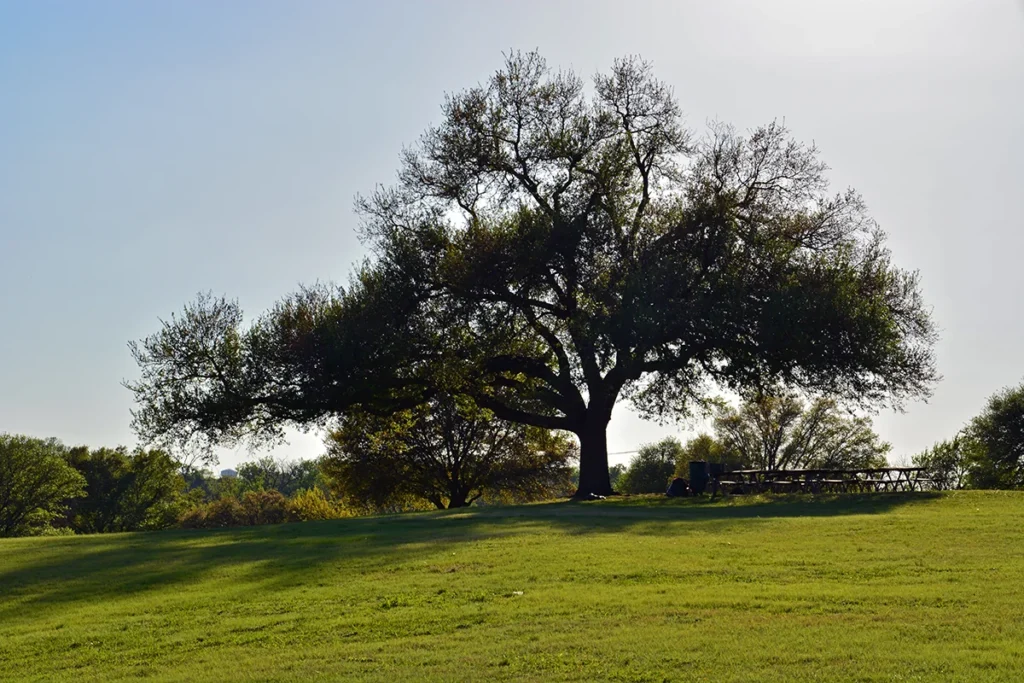
- Put Down the Saw: Unless it’s a true emergency—such as a limb threatening a roof or a branch broken by a spring storm—do not touch your Oaks. If you see a neighbor or a door-to-door “tree trimmer” approaching an Oak in March, feel free to intervene.
- The 10-Minute Rule: If an emergency cut is necessary, you have a tiny window to seal it. The fungus-carrying beetles can find a fresh wound in minutes.
- Paint is Life: Always keep a can of black spray paint or specialized pruning sealer in your kit. Every single nick or cut on an Oak tree—no matter how small—must be painted immediately. This physical barrier is the only thing standing between the beetle and your tree’s health.
- Know the Law: Many local municipalities, including Lakeway and West Lake Hills, have strict ordinances regarding Oak pruning with fines ranging from $500 to $2,000 per violation. You can find more details on local protections at the City of Austin Oak Wilt Information page.
Beyond the legalities, consider the environmental impact. According to the Texas Oak Wilt organization, prevention is significantly cheaper and more effective than attempting to treat an infected tree with fungicide injections, which are costly and not always successful. Protecting these giants is a community responsibility.
3. The Planting Sprint: Beat the Heat
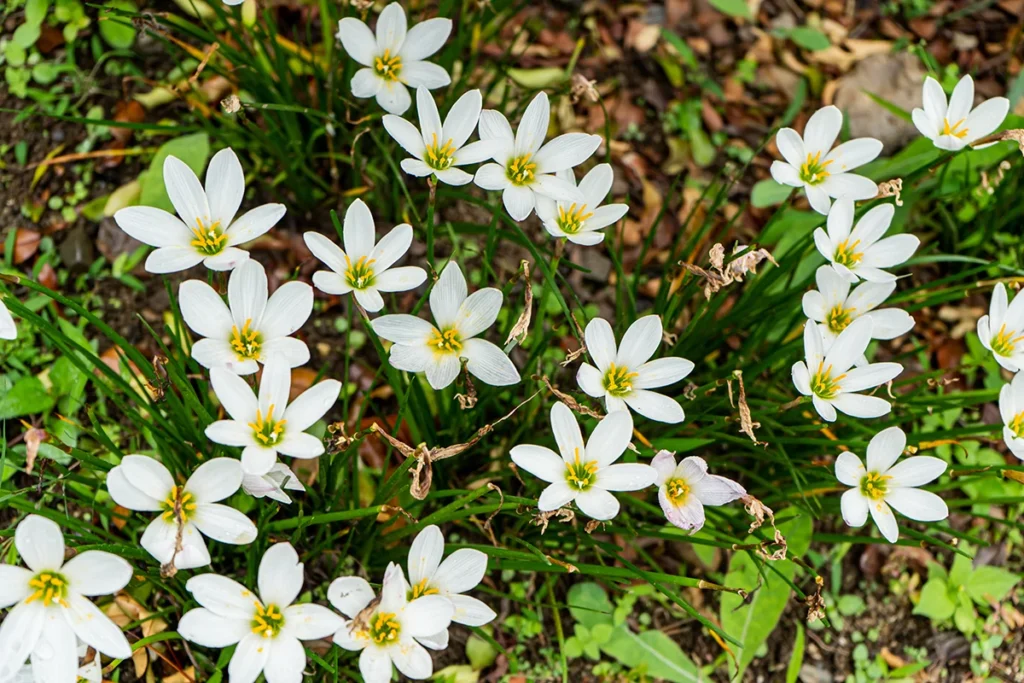
March is the Goldilocks month for planting native Texas perennials in March. The soil temperature has typically climbed into the 60s or low 70s—warm enough to stimulate root growth, but the air is still cool enough that plants aren’t fighting for survival in the blistering sun.
This specific window is vital because plants established in March develop a much deeper, more resilient root architecture than those plopped into the ground in May. By the time our first 100-degree day hits, a March transplant has had months to find its footing in our rocky soil. Without this headstart, many store-bought plants simply “cook” in their root balls before they can ever branch out into the surrounding earth. In Austin, we aren’t just gardening for aesthetics; we’re gardening for survival.
Top Picks for March Planting:
To ensure your garden thrives through July, focus on these heat-hardy champions:
- Texas Sage (Cenizo): Often called the Barometer Bush, it loves our limestone soil and blooms in response to humidity shifts.
- Blackfoot Daisy: A tough-as-nails groundcover that provides a carpet of white blooms; it’s honey-scented and remarkably drought-tolerant.
- Salvia Greggii: An Austin staple that attracts hummingbirds and provides a reliable pop of red, pink, or purple throughout the summer.
The Mulch Mandate
If you didn’t refresh your mulch in February, do it today. A 2-to-3-inch layer of hardwood mulch acts as insulation for your root systems. As the March winds pick up, they can sap moisture from the soil in hours; mulch is your first line of defense. According to the Texas A&M AgriLife Extension, proper mulching can reduce soil water loss by up to 60%.
Furthermore, fresh mulch suppresses the inevitable explosion of spring weed seeds that are currently lying dormant in your beds. Think of mulch as a protective blanket that keeps your investment—your new plants—from being choked out by invasive species or scorched by the intensifying UV rays of the Central Texas spring.
4. The Weed Wars: Lawn Care for March
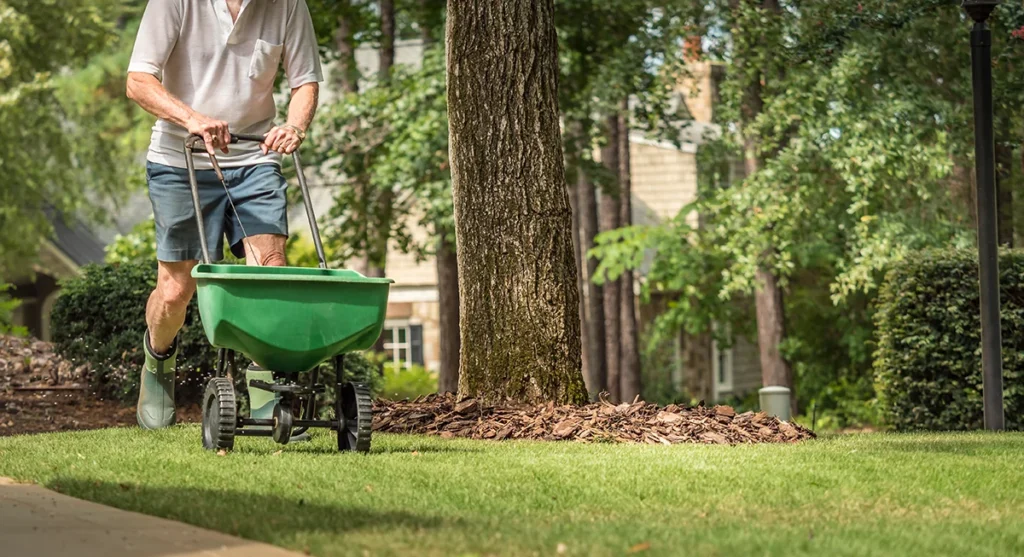
If you want to know how to prevent weeds in Austin lawns, the answer is intervention. This is the month when Sticker Burs, Crabgrass, and Henbit attempt their hostile takeover of your turf. Because our winter temperatures fluctuate so wildly, weed seeds often get a false start in February, but March is when they truly anchor themselves into your lawn’s root zone.
If you allow these invaders to go to seed this month, you’re essentially signing up for a three-year battle to clear them out. A proactive approach now means you won’t be pulling prickly stickers out of your dog’s paws or your kids’ shoelaces come June. Early intervention also reduces the competition for nutrients, ensuring your St. Augustine or Bermuda grass has the fuel it needs to wake up from dormancy and create a thick, weed-smothering carpet.
Your Turf Action Plan:
- Organic Fertilizer: Wait until you have mowed your grass at least twice before applying a heavy nitrogen fertilizer. Applying too early simply feeds the winter weeds that are already active. Opt for an organic fertilizer (like a 3-1-2 ratio) that releases nutrients slowly, feeding the soil biology rather than just the leaf blade.
- Corn Gluten Meal: This is a fantastic natural pre-emergent. It prevents weed seeds from successfully germinating while providing a mild nitrogen boost to your grass. It is most effective when applied just before a light rain.
- Soil Hydration: Austin’s limestone-heavy soil is notorious for drying out quickly in the high March winds. While you don’t want to overwater—which can lead to Take-All Root Rot or other fungal issues—consistent watering for new transplants and dormant turf is critical. Check out the WaterWise Austin guidelines for tips on efficient irrigation and local rebate programs.

Ultimately, the effort you put into March weed prevention is an investment in your lawn’s thermal mass for the summer. A thick, healthy carpet of grass acts as living mulch, shading the soil and keeping root temperatures significantly lower during an Austin heatwave. By eliminating the competition now, you’re ensuring that every drop of water from your irrigation system goes toward building that resilient turf rather than hydrating a patch of invasive Crabgrass. Remember, a yard that is weed-free in March is far more likely to stay wilt-free in July.
5. March Landscaping Checklist: At a Glance
| Task | Priority | Note |
| Oak Pruning | STOP | Forbidden until July 1st. |
| Perennial Trim | High | Cut back Lantana/Esperanza now. |
| Mulching | High | Apply 3″ to retain spring moisture. |
| Planting | Medium | Focus on native Texas perennials. |
| Lawn Feed | Medium | Use organic, slow-release options. |
For more specific timing on vegetable gardening and regional planting, the Lady Bird Johnson Wildflower Center offers an incredible database of native species that thrive in our specific Central Texas ecoregion. Additionally, checking the National Weather Service Austin/San Antonio station will give you the most accurate real-time data on those pesky late-March frost threats.
Starting Your March Landscaping Checklist Today Saves the Yard Tomorrow
March in Central Texas is a beautiful, fleeting window. It’s a time of transition: finishing the winter cleanup, respecting the “No-Prune” zones for our Oaks, and racing to get new life into the ground before the thermometer hits triple digits.
Don’t let the perfect patio weather fool you into complacency. The March landscaping checklist is your roadmap to a resilient yard. The effort you put in now—the strategic mulch application, the careful selection of organic fertilizer, and the restraint shown with your pruning shears—determines whether your landscape thrives or fries when the July sun takes no prisoners.
Falling behind on your March landscaping checklist?
Between the strict Oak Wilt season Texas regulations and the complex needs of Austin’s rocky, alkaline soil, managing a luxury landscape can be a full-time job. You shouldn’t have to spend your weekends fighting Sticker Burs or worrying about whether a pruning cut might invite a devastating pathogen into your canopy.
Whether you need expert planting native Texas perennials in March or a safe, Oak-friendly property cleanup, Southern Landscape is here to help you win the sprint. Our team specializes in high-end, award-winning design and maintenance tailored specifically for the Central Texas climate. Our full suite of spring services includes:
- Custom Design-Build Projects: From outdoor kitchens to poolside escapes that beat the July heat.
- Professional Hardscaping: Precision-laid patios and stone walkways that complement our local limestone.
- Irrigation Audits & Upgrades: Ensuring your system is optimized for WaterWise compliance before the summer drought restrictions.
- Expert Mulching & Soil Conditioning: Using high-grade materials to insulate your plant’s roots and enrich the local soil biology.
- Native Plant Curation: Creating sustainable, pollinator-friendly gardens that thrive in Travis County.
Click here to view the Southern Landscape Portfolio to see how we’ve transformed properties across Austin, West Lake Hills, and Lakeway.
Don’t let the beauty of the season pass you by while you’re stuck doing the heavy lifting. Contact Southern Landscape today to secure your March service slot and ensure your outdoor space is ready for a summer of relaxation, not renovation.