
- Austin Landscape Maintenance in May Must-dos: Managing the Monsoon & Fungal Prevention
- Mosquito Mitigation for Outdoor Living
- The Final Summer Armor (Mulch & Mowing)
- The Southern Landscape Advantage: Beyond the Basics for Austin Landscape Maintenance in May
- Comprehensive May Checklist for Austin Homeowners
- Deep Dive: Soil Health and Nutrient Management
- Designing for the Heat: Future-Proofing Your Landscape
- Don't Let the May Flowers Fool You
May in Austin is a beautiful lie. Between the blooming wildflowers painting the MoPac and the refreshing spring rains, it’s easy to believe your garden is invincible; however, prioritizing Austin landscape maintenance in May is the only way to ensure your yard survives the lull before the heat. While the air is still breathable and your backyard looks like a lush paradise, any seasoned Central Texan knows that when June arrives, the Big Heat follows quickly behind—often turning vibrant green turf into a crisp, dormant brown in a matter of days.
Proactive care during this window is the only way to ensure your outdoor investment survives the brutal seasonal transition. Many homeowners are lulled into a false sense of security by the pleasant weather, leading to a reactive approach once the thermometer hits triple digits. By focusing on strategic mulching, irrigation fine-tuning, and pest mitigation now, you can effectively armor your landscape against the upcoming 100-degree days and ensure your property remains a lush oasis all summer long.
Austin Landscape Maintenance in May Must-dos: Managing the Monsoon & Fungal Prevention
Historically, May is the rainiest month in Central Texas. While we welcome every drop to fill our aquifers and reservoirs, the high humidity combined with wet foliage creates a literal petri dish for fungal pathogens. If you want to know how to prepare your Austin yard for summer heat, you must first navigate the dampness of spring.
Airflow is Your Best Defense
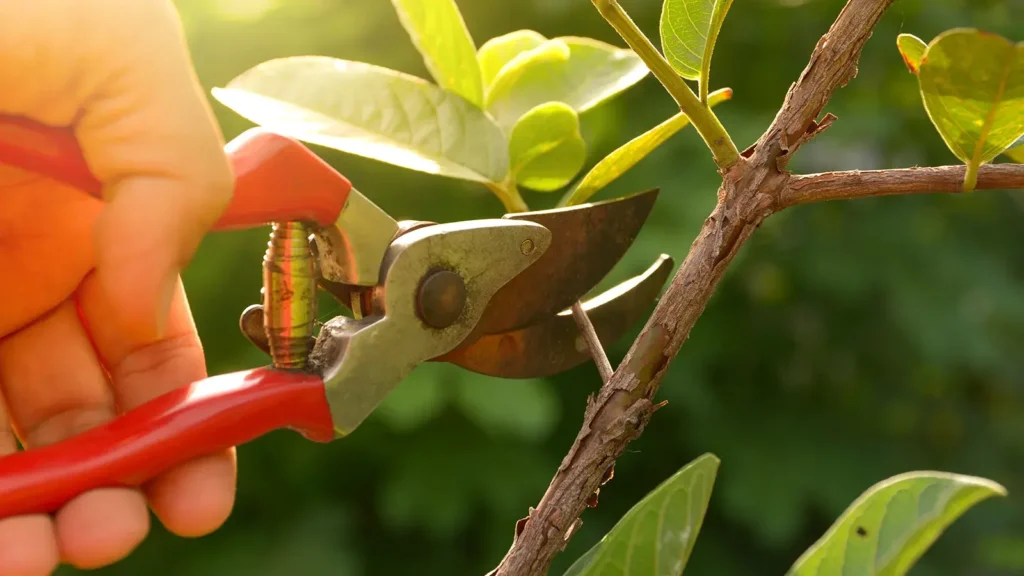
When the air is heavy with humidity, stagnant pockets of moisture around your plants lead to disaster. Fungal disease prevention for Austin plants starts with a pair of pruning shears. High-density foliage prevents evaporation, and trapped moisture then invites spores to settle.
- Thin Out Dense Shrubs: Use thinning cuts to allow wind to pass through the interior of the plant. This is particularly vital for ornamental species that are not native to our arid summers but thrive in our humid springs.
- The Lollipop Method: Remove the lower leaves on susceptible plants like roses or tomatoes. This prevents soil-borne spores from splashing onto the foliage during heavy rains—a common vector for early-season blight.
Watch the Watering Clock
Even during rainy months, there may be dry spells where you feel the need to supplement. Timing is everything. Never water in the late evening. Wet leaves sitting in 70°F or 80°F overnight temperatures are a magnet for Powdery Mildew and Blackspot. According to the Texas A&M AgriLife Extension, practicing Earth-Kind landscaping means watering in the early morning (between 4:00 AM and 8:00 AM) to allow the sun to dry the leaves quickly.
The Gumbo Soil Factor
In Austin, we deal with two distinct geological zones. While the Hill Country has rocky, well-draining limestone, much of the city sits on heavy Blackland Prairie clay, often called Gumbo soil. This soil holds moisture significantly longer than the porous rock out west. Don’t assume a quick rainstorm means you can skip checking for wet feet. Over-saturated roots in clay soil will rot before the summer even begins, leaving the plant unable to pull up water when the drought actually hits in July.
Mosquito Mitigation for Outdoor Living
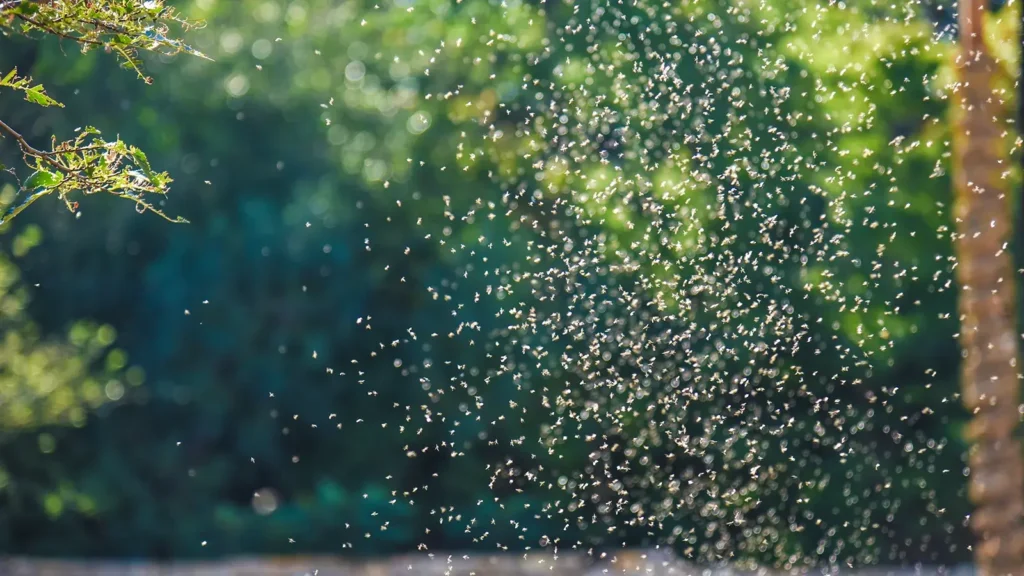
With the May rains comes the unofficial start of Austin’s mosquito season. Protecting your outdoor living space prep requires more than just a few citronella candles; it requires a tactical shift in your landscape management. For successful mosquito control, Austin landscapes rely on breaking the breeding cycle before it starts.
The Tip and Toss Rule for Austin Landscape Maintenance in May
After every rainfall, perform a perimeter check of your property. Mosquitoes can breed in as little as a tablespoon of water, and eggs can hatch within days.
- Check Saucers: Remove standing water from saucer plates under potted plants.
- Gutter Maintenance: Inspect clogged gutters. Debris traps water and creates a nutrient-rich tea that mosquitoes love.
- Furniture Folds: Look for folds in outdoor furniture covers or kids’ toys left in the yard.
Strategic Planting and Natural Deterrents
While native plant resilience is usually our primary focus for surviving drought, certain plants can assist in pest management. Planting Lemon Balm, Marigolds, or Rosemary near your seating areas provides a mild natural deterrent. For a comprehensive list of what grows best in our specific ecoregion, the Lady Bird Johnson Wildflower Center offers an invaluable database of native species that serve both aesthetic and functional purposes in the garden.
Utilizing High-Velocity Airflow
Mosquitoes are notoriously weak fliers. If you’re designing a luxury outdoor kitchen or patio, ensure you have high-velocity outdoor fans installed. A steady breeze is the most effective, non-toxic defense to keep your guests comfortable during a May BBQ. It physically prevents the insects from landing and disperses the carbon dioxide humans exhale, which is the primary beacon mosquitoes use to find their targets.
Local Tip: Don’t forget to look up. Our majestic Heritage Oaks often have hollow spots or rot holes high in the canopy. These can collect rainwater and become mosquito nurseries forty feet above your head. If you suspect an oak is holding water, professional arborists can help with drainage solutions that don’t harm the tree.
The Final Summer Armor (Mulch & Mowing)

May is your final window of opportunity to insulate your soil before the high-UV exposure of the summer months arrives. This is the armor that protects the delicate microbial life in your soil and keeps your plants’ root systems from literally cooking in the ground.
Best Mulch for Central Texas Summer
If there is one rule for Austin landscape maintenance in May, it is this: Mulch is not optional. A fresh 3-inch layer of shredded hardwood mulch acts as a thermal blanket.
- Soil Temperature Insulation: Proper mulching can keep root zones up to 10°F cooler than exposed soil.
- Moisture Retention: It prevents the sun from baking the moisture out of the ground, reducing your water bill significantly.
- The Material Matters: Stick to organic hardwood or cedar. Avoid dyed mulches, as they can sometimes contain contaminants and don’t break down into beneficial organic matter as effectively as natural hardwood.
Mow High for Cooler Turf
As the heat ramps up, you should gradually raise your mower blade. For St. Augustine grass care, keeping the blades at 3.5 to 4 inches allows the grass to shade its own roots. Taller grass blades allow more photosynthesis, promoting deeper root growth. Deeper roots are the only way your lawn will survive the weeks when the City of Austin moves into more stringent watering restrictions.
Master the Cycle and Soak Irrigation Method
To truly summer-proof your yard, you must move away from short, daily watering bursts. These create shallow, weak roots that wither the moment the sun comes out. Instead, utilize the cycle and soak irrigation method.
By watering in multiple short cycles (e.g., three 5-minute cycles instead of one 15-minute cycle) with 30-60 minute breaks in between, you allow the water to penetrate the heavy clay soil deeply rather than running off into the street. This encourages roots to dive deep into the cooler sub-soil. This technique is a cornerstone of the Grow Green Austin program, which provides local guides on water-wise gardening.
The Southern Landscape Advantage: Beyond the Basics for Austin Landscape Maintenance in May

Maintaining a luxury landscape in Central Texas is a high-stakes endeavor. As we move into an era where sustainability is as important as aesthetics, following the Sustainable Sites Initiative (SITES) standards ensures that your landscape isn’t just beautiful, but ecologically functional. Protecting a high-end property requires more than a mow-and-blow crew; it requires technical oversight and horticultural expertise.
Why May is the Critical Month for Landscape Maintenance in Austin and Beyond
Many homeowners wait until July to realize their landscape is in trouble. By then, it’s often too late. The plant is already in survival mode, and adding water or mulch then is like trying to put out a forest fire with a garden hose. By starting Austin landscape maintenance in May, you’re building the plant’s carbohydrate reserves and cooling the soil before the stress begins. Summer landscaping tips from Austin experts are based on this proactive physiology.
Our Summer Readiness Audit
At Southern Landscape, we provide services specifically designed for the Austin climate. We can also provide a technical overhaul designed to save you thousands in replacement costs.
- 20-Point Irrigation Inspection: We don’t just see if the water turns on. We check for head-to-head coverage, clogged nozzles, and ensure your controller is set for optimal output.
- Professional-Grade Mulching: We don’t just toss mulch down over weeds. We clear the beds, edge the borders, and ensure proper depth for maximum soil temperature insulation.
- Soil Nutrition: We apply organic soil conditioners that improve the cation exchange capacity of our clay soils, helping your plants absorb nutrients even when the heat stress kicks in.
The Value of Professional Oversight
A luxury landscape is a living investment. Much like a fine home requires specialized attention, a Central Texas landscape requires a horticulturist who understands the microclimates of Austin. Whether you’re in the wind-swept hills of Westlake or the dense, heat-retaining urban areas of East Austin, your yard has specific needs that a generic maintenance schedule cannot meet. Southern Landscape specializes in these hyper-local nuances, ensuring your outdoor environment thrives where others merely survive.
Comprehensive May Checklist for Austin Homeowners

To help you stay organized, here is a condensed version of the tasks that should be included in your Austin landscape maintenance in May:
| Task Category | Action Item | Why It Matters |
| Irrigation | Audit all zones for leaks | Water waste in summer is expensive and harmful. |
| Irrigation | Switch to Cycle and Soak | Forces roots deeper into the cool sub-soil. |
| Plant Care | Apply 3 inches of hardwood mulch | Acts as an insulator against 100°F+ surface temps. |
| Plant Care | Prune for airflow | Prevents the fungal May Monsoon diseases. |
| Turf | Raise mower height to 4″ | Grass shades its own roots, reducing evaporation. |
| Pest Control | Clear all standing water | Stop mosquito breeding cycle at the source. |
| Outdoor Living | Service patio fans | Wind is the best non-toxic mosquito repellent. |
Deep Dive: Soil Health and Nutrient Management
While mulch provides the physical barrier your soil needs, the chemical and biological makeup of your dirt determines how well your plants handle 105°F heat. During Austin landscape maintenance in May, we focus heavily on the rhizosphere—the area of soil immediately surrounding plant roots.
The Role of Mycorrhizae
Central Texas soils are often alkaline and deficient in organic matter. By introducing beneficial fungi, known as mycorrhizae, during your May maintenance routine, you create a symbiotic relationship with your plants. These fungi attach to roots and extend their reach, allowing the plant to draw in moisture and nutrients from much further away than it could on its own. This is a critical component of native plant resilience.
Liquid vs. Granular Fertilization
In the heat of summer, granular fertilizers can sometimes burn a lawn if not watered in perfectly. May is the time to transition to organic liquid foliar feeds or slow-release granules that won’t spike the plant’s growth too quickly. Rapid, succulent growth caused by high-nitrogen fertilizers is actually more susceptible to heat stress and insect attacks. We aim for steady, hardy growth that can stand up to the sun.
Designing for the Heat: Future-Proofing Your Landscape

If you find yourself constantly battling the elements every May, it might be time to rethink the layout of your property. How to prepare an Austin yard for summer heat often involves more than just maintenance—it involves strategic design.
Creating Shade Canopies
The placement of a single ornamental tree, such as a Desert Willow or a Mexican Buckeye, can reduce the surface temperature of your patio by twenty degrees. At Southern Landscape, we look at your property’s sun map to identify where heat is being absorbed by stone and concrete. By softening these hard surfaces with living shade, we reduce the ambient heat load on your entire home.
Xeriscaping with Style
Many people hear “xeriscape” and think of rocks and cacti. In reality, a well-designed Austin xeriscape is lush, colorful, and teeming with life. By utilizing plants like Red Yucca, Autumn Sage, and Texas Lantana, we create landscapes that look their best when the temperature is at its highest. These plants have evolved to handle the Central Texas May Monsoon and the August drought with equal grace.
Don’t Let the May Flowers Fool You
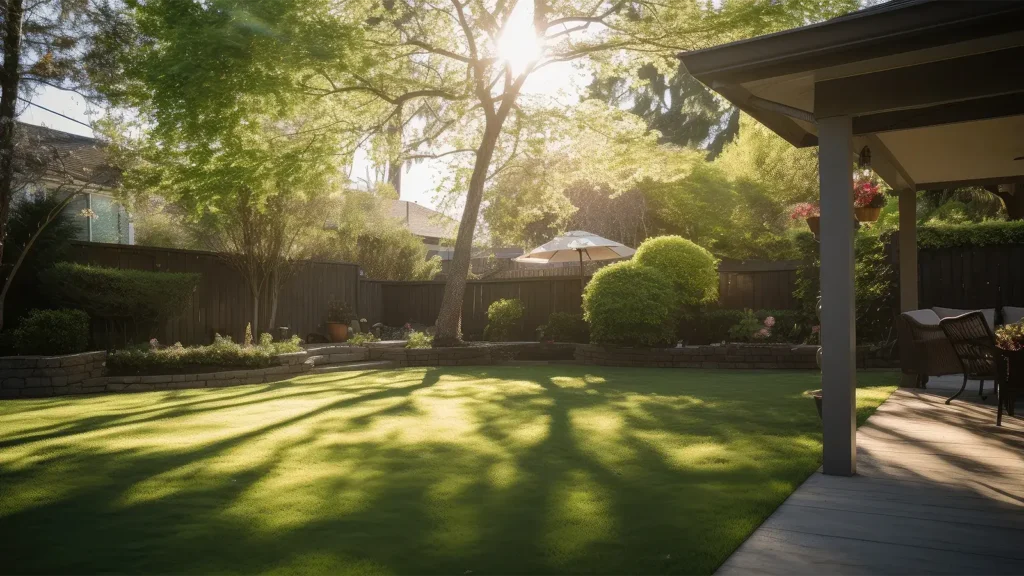
The steps you take during this pleasant May window determine your landscape’s success for the rest of the year. From preventing fungal outbreaks during the May Monsoon to arming your soil with the best mulch for Central Texas summer, the time for action is now. Don’t wait for the first 100-degree day to realize your irrigation is leaking or your plants are starving for insulation.
By following this checklist—managing airflow, mitigating mosquitoes, and raising those mower blades—you are giving your property the best possible chance to thrive. Your yard is an extension of your home; treat it with the proactive care it deserves. Southern Landscape is dedicated to ensuring that your outdoor living spaces remain a source of joy, providing the technical expertise necessary to navigate our unique climate.
Ready to summer-proof your property?
Whether you are looking to enhance your current garden or need a professional team to handle the heavy lifting of seasonal transitions, we are here to help. Contact Southern Landscape today to schedule your professional May maintenance consultation. Our award-winning team will conduct a comprehensive audit of your property, ensuring your irrigation is efficient, your soil is protected, and your plants are prepared for the trials of a Texas summer.
Let us handle the technical complexities of Austin landscape maintenance in May so you can spend your summer relaxing in the shade of a healthy, vibrant yard. Call Southern Landscape today and experience the difference that professional design and expert build services can make for your home.