
Look around Austin in the middle of summer, and you’ll see a clear contrast. Some yards look tired, patchy, and thirsty. Others still feel sculptural, polished, and intentional, even when the heat has been relentless for weeks. That difference usually isn’t luck. It’s design. Modern xeriscaping in Austin is about much more than swapping grass for rocks. It’s a smarter way to build outdoor spaces that fit Central Texas conditions, support long-term water savings, and still feel inviting, refined, and home-specific. When it’s done well, the result doesn’t look sparse. It looks designed.
That’s the biggest shift many homeowners need to make. Xeriscaping isn’t a punishment for living in a hot climate. It’s a design strategy that uses the right plants, the right surfaces, and the right layout to create a landscape that performs beautifully under pressure.
- The Best Landscape Decisions Usually Include Modern Xeriscaping
- Plants That Hold Their Shape and Style Through Central Texas Heat
- Hardscaping Turns Water Savings Into Usable Outdoor Living
- How to Avoid the Common Mistakes That Make Modern Xeriscaping Look Stark
- Why Southern Landscape Is a Strong Fit for Water-Wise Outdoor Design
- Turning a Summer Challenge Into a Better Landscape Plan
The Best Landscape Decisions Usually Include Modern Xeriscaping
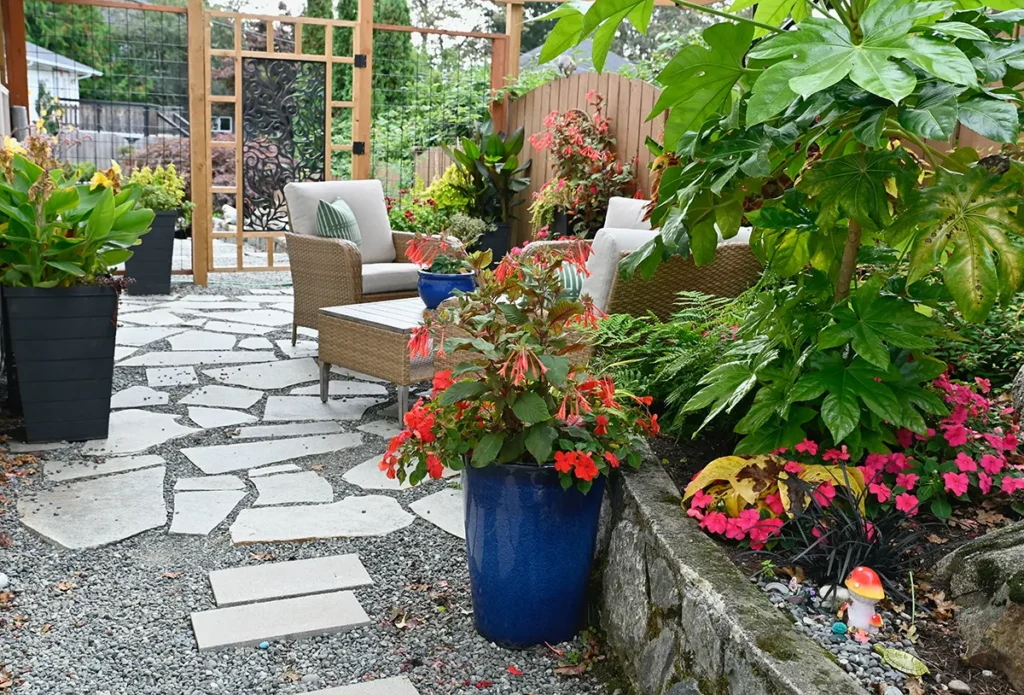
July is one of the most useful months of the year for evaluating a landscape. Heat exposes weak choices fast. Turf that was already marginal starts to fail. Beds without proper grouping need constant correction. And plant material that looked fine in spring can suddenly show whether it truly belongs in Central Texas.
That’s why hot weather can be such a strong proof-of-concept for a smarter yard. If a landscape still looks balanced in the toughest part of summer, there’s a good chance it was designed with real site conditions in mind.
A good low-water landscape design in Texas doesn’t depend on constant rescue watering. It works because every part of the yard has a role. Some areas provide structure. Some soften edges. Some absorb heat better than others. Some use water only where it delivers the most visual value. When those decisions are made well, the whole property feels calmer and more cohesive.
Many Austin homeowners still think xeriscaping means a bare bed of gravel, a few cactus plants, and maybe one sad accent boulder. That idea is outdated. Today’s best designs use layered materials and plant forms to create depth, color contrast, and movement without relying on thirsty turf or high-maintenance flower beds.
Modern xeriscaping in Austin works best when it’s judged by how it looks in the hottest season, not just by how it looks the week after installation.
The Three Pillars That Make Modern Xeriscaping Feel Intentional
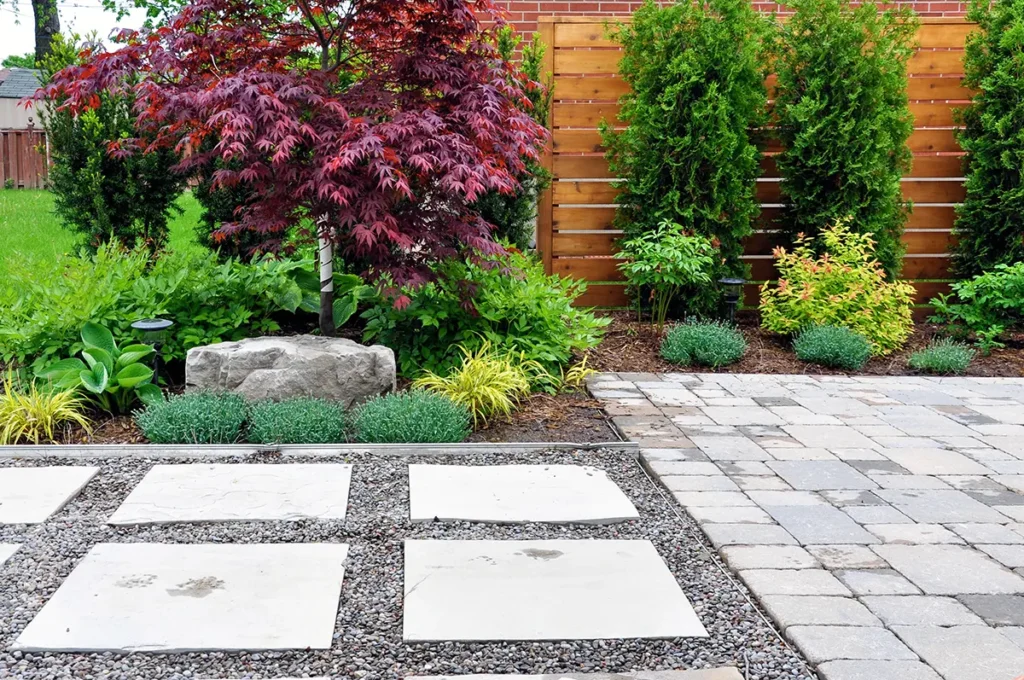
The strongest projects usually come down to three core ideas: reduce unnecessary soil area, group plants by need, and build visual interest with texture rather than excess water.
Soil reduction means replacing turf-heavy zones with surfaces that support the design, not fight it. That can mean gravel beds, native stone patios, or mulch fields that frame the planting areas instead of competing with them. It’s not about removing all the green. It’s about using green where it has the most impact.
Hydrozoning plants is another essential move. When plants with similar water needs are grouped together, the landscape becomes easier to manage and much more efficient. You don’t end up overwatering one drought-tolerant species just to keep a more demanding one alive. That kind of planning saves time, water, and frustration.
Textural contrast is what keeps the yard from feeling flat. Strong leaf shapes, clean stone lines, and distinct surface changes can carry visual interest all year. In a climate like Austin’s, that matters more than trying to force constant bloom cycles.
The City of Austin and regional water providers have also made turf reduction and water-wise landscaping more visible by encouraging homeowners to rethink lawn-heavy properties. For many residents, rebate programs and incentive structures have made the switch even more practical. If you’re exploring options, a specialist who understands Austin water turf replacement rebate contractors can help you think beyond the lawn and into the full design.
Plants That Hold Their Shape and Style Through Central Texas Heat
The most successful xeriscapes in Austin don’t depend on a few seasonal flowers to look good. They rely on architectural plants that bring presence, structure, and year-round form. That’s especially important in the middle of summer, when the landscape needs to carry visual weight without demanding too much water.
Modern xeriscaping in Austin often starts with plants that can handle heat, reflect the region’s natural character, and still create a layered look. The key is not choosing the flashiest species. It’s choosing plants that continue to look deliberate when the temperature climbs.
Bold Accent Plants That Carry the Modern Xeriscaping Design
Some plants do a lot of visual heavy lifting. They give the yard a focal point and help define the overall style of the space.
A few examples homeowners often respond well to include:
- Whale’s tongue agave, for broad, sculptural form
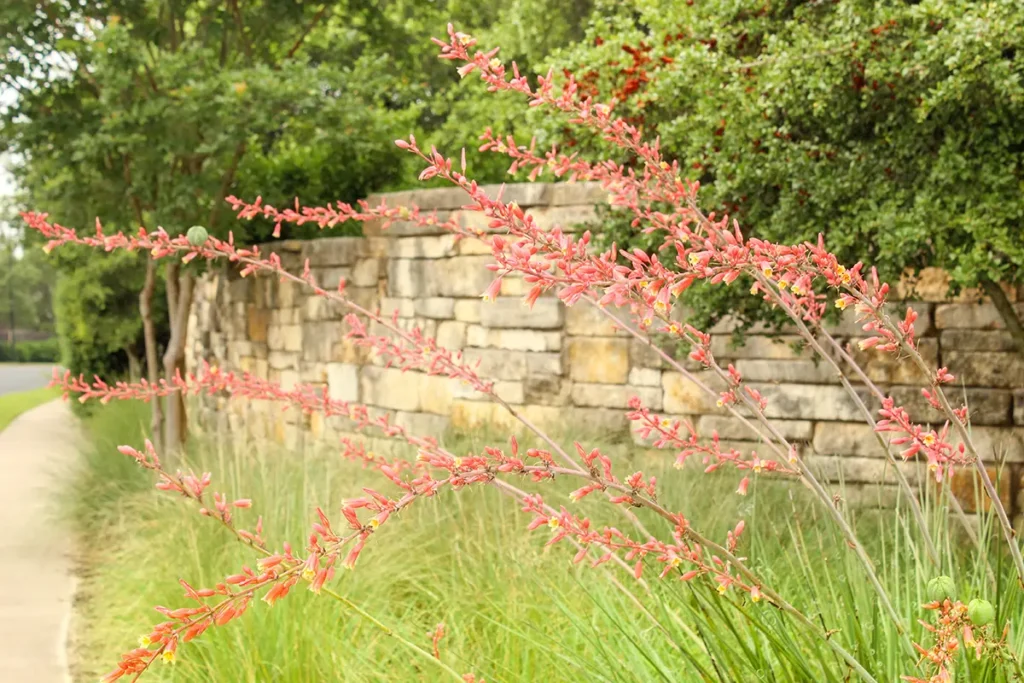
- Texas red yucca, for upright movement and seasonal color
- Sotol, for a strong silhouette and a distinctly Central Texas look
- Other agave and yucca forms that echo the region’s dry, rugged beauty
If you’re looking for the best native agaves and yuccas for Central Texas, the goal is to find forms that feel bold without looking forced. These plants are especially effective when placed where their shape can be appreciated against stone, stucco, or open sky.
For homeowners who want drought-tolerant curb appeal, these accents can make a front yard feel polished even when surrounding plantings are intentionally restrained. They signal that the landscape is designed, not just filled.
Softening the Edges Without Losing the Structure
A yard can’t be all sharp lines and rigid forms. The best dry-climate landscapes usually include softer plant textures to balance the stronger architectural elements.
Native grasses and tough perennials are often the answer. They can add movement, loosen the overall composition, and create a more natural transition between boulders, hardscape, and structured shrubs. Mexican feathergrass, for example, adds a fine, flowing texture that plays well against larger, more geometric plant forms. Blackfoot daisy brings brightness without requiring a high-water routine.
This balance matters. A good xeriscape shouldn’t feel harsh. It should feel layered. The strong shapes set the tone, while the softer plants keep the design from becoming too rigid.
Placement matters too. These plants often look best when set against native limestone, warm masonry, or a clean gravel field. That contrast helps every shape read more clearly from the street and from the patio.
Hardscaping Turns Water Savings Into Usable Outdoor Living
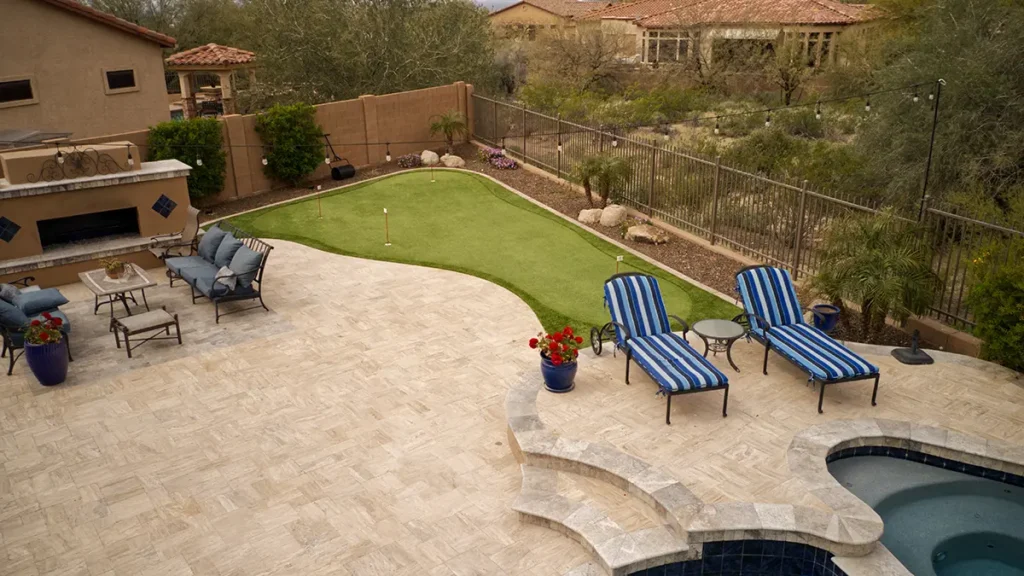
One of the smartest things about xeriscaping is that it doesn’t just reduce water use. It can also improve how you actually use the yard. That’s where hardscaping becomes a major advantage.
Every square foot of turf replaced with a useful hardscape element is one less square foot you need to mow, fertilize, edge, or revive after a dry spell. That doesn’t mean the yard becomes less beautiful. It means beauty comes from better structure.
In many ways, hardscaping is what separates a basic rock yard from a true outdoor living space. Modern xeriscaping in Austin should feel like an extension of the house, not a compromise.
Permeable Surfaces That Work With Rain Instead of Fighting It
A well-planned patio, path, or gathering area can do more than provide a place to sit. It can also support drainage and reduce waste.
Permeable pavers are especially useful in this context because they allow rainwater to move through the surface rather than pooling on top. When paired with gravel joints or other carefully chosen base materials, they can help rare rainfall soak back into the landscape more naturally. That’s a practical advantage in a climate where long dry stretches are common, but heavy rain can still arrive fast.
This kind of surface planning is especially valuable in a low-water landscape design in Texas because it improves function without sacrificing style. A patio doesn’t have to look utilitarian to be efficient.
Clean Borders, Strong Lines, and Natural Materials
A lot of homeowners are surprised by how much structure a landscape can gain from details that seem small at first. Metal landscape edging, for example, can create crisp separations between gravel, mulch, and planting beds. That clean edge helps every material look intentional instead of messy or drifting over time.
Structural hardscaping also includes retaining elements, seating walls, pathways, and built-in transitions that help the property feel more complete. These features aren’t decorative add-ons. They’re the framework that lets the planting design work harder.
Boulders deserve special mention here, too. When large weathered limestone pieces or Moss Rock are placed strategically in beds, they can echo the broader Texas Hill Country aesthetic without feeling staged. The result is often much more believable than a lawn trying to imitate a cooler, wetter region.
How to Avoid the Common Mistakes That Make Modern Xeriscaping Look Stark
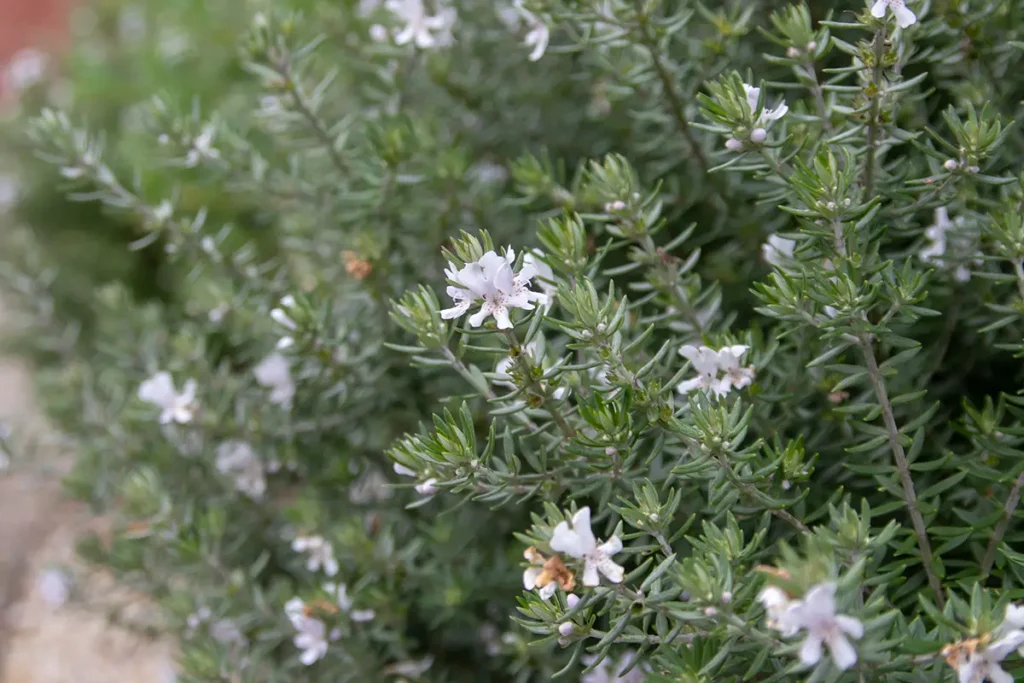
Bare-looking rock yards fail visually. They solve the watering problem but create a new one: they feel flat, overexposed, or disconnected from the house. A modern approach avoids that by combining texture, shade, structure, and plant layering in a way that feels complete.
Good design starts with scale. If the hardscape is too dominant, the yard can feel severe. If the planting area is too dense, it can lose the clean lines that make the whole concept work. If there’s no clear transition between zones, the result can feel improvised instead of planned.
Here’s what usually separates a strong result from a forgettable one:
- Planting beds that are grouped by water need, not scattered randomly
- Hardscape surfaces that support use, not just visual filler
- Repeated materials that create continuity across the site
- Strong focal points that guide the eye
- Enough soft texture to balance stone, gravel, and structured architecture
- Clear edges so the layout reads well from the street and from outdoor seating areas
Homeowners in neighborhoods with stricter design expectations often appreciate this approach because it looks refined rather than sparse. In places with strong aesthetic standards, such as parts of Westlake or Circle C, a well-executed water-wise yard can feel much more appropriate than a dated, high-maintenance lawn. That’s one reason modern xeriscaping in Austin has become more appealing to homeowners who want the property to look finished, not stripped down.
Why Southern Landscape Is a Strong Fit for Water-Wise Outdoor Design
Designing a landscape that feels luxurious, practical, and climate-appropriate takes more than plant knowledge. It takes grading awareness, construction skill, and a clear understanding of how the finished space will be used day to day.
That’s where Southern Landscape stands out. As an award-winning design-build firm serving Austin and the Texas Hill Country since 1982, Southern Landscape brings together design, construction, irrigation, and ongoing property care under one roof. That matters when a project needs to look coherent from the first concept through the final installation.
A lot of water-wise projects fail because they’re assembled from disconnected parts. The design looks good on paper, but the build doesn’t match it. Or the plant plan is fine, but the hardscape doesn’t support the layout. Or the irrigation gets added too late, after the major decisions have already been made. Southern Landscape’s in-house team helps reduce that friction by keeping the process more unified.
A Better Way to Think About the Modern Xeriscaping
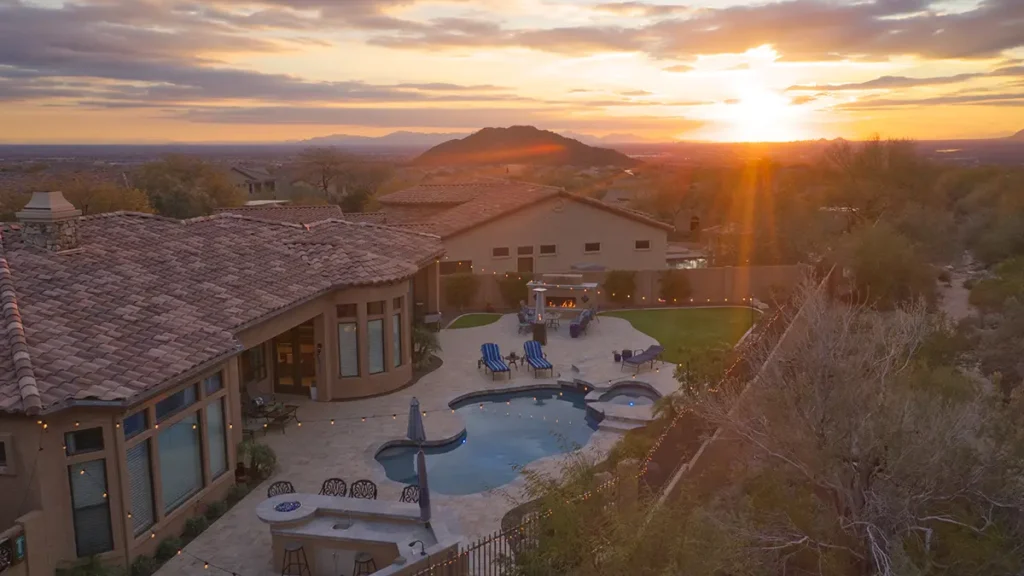
A well-built xeriscape shouldn’t look like a compromise. It should feel like a custom outdoor room that fits the home, the climate, and the way the property is actually lived in.
That’s where the combination of sustainable landscape planning, durable hardscaping, and carefully selected plant material becomes valuable. It creates a space that looks good in July, but also stays attractive in spring and fall. It lowers the burden of routine maintenance. And it gives homeowners a more resilient landscape that feels intentional year-round.
For many projects, the biggest benefit isn’t just lower water use. It’s the sense that the yard finally matches the house.
Turning a Summer Challenge Into a Better Landscape Plan
The smartest landscapes in Austin aren’t the ones that fight the climate. They’re the ones that work with it. That’s the real lesson of modern xeriscaping in Austin. It can be lush without being thirsty, structured without being cold, and stylish without depending on a traditional lawn.
We’ve looked at why summer heat is such a useful test, what kinds of plants create real architectural value, and how hardscaping turns water savings into a more usable outdoor environment. We’ve also seen why details like hydrating plant groupings, permeable pavers, metal landscape edging, and structural hardscaping matter so much in the final result.
July shouldn’t feel like a season of rescue watering and patchy turf. It should be a source of design inspiration for a yard that’s more resilient, more beautiful, and easier to live with.
If you’re ready to move beyond the old idea of a rock yard and create something more refined, Southern Landscape can help you plan a custom solution that fits Austin’s climate and your home’s style.