
As September arrives, Austin homeowners finally see the light at the end of the tunnel. Mornings start to feel slightly cooler, and the brutal August sun begins to relent. However, months of unrelenting triple-digit temperatures have taken their toll. Lawns across the Hill Country look thin, flower beds are filled with exhausted summer annuals, and heavy heat has stripped the soil of vital nutrients. Gardening enthusiasts can look forward to Fall lawn care, knowing they can have some time to reap the benefits from what they’ve sown and prepare their yards for dormancy.
September acts as the official reset button for your property. By prioritizing strategic Fall lawn care, relieving compacted soil, refreshing tired beds, and adjusting your irrigation schedule, you can revive your landscape and set the stage for a spectacular autumn season.
Soil Aeration and Top-Dressing for Fall Lawn Care
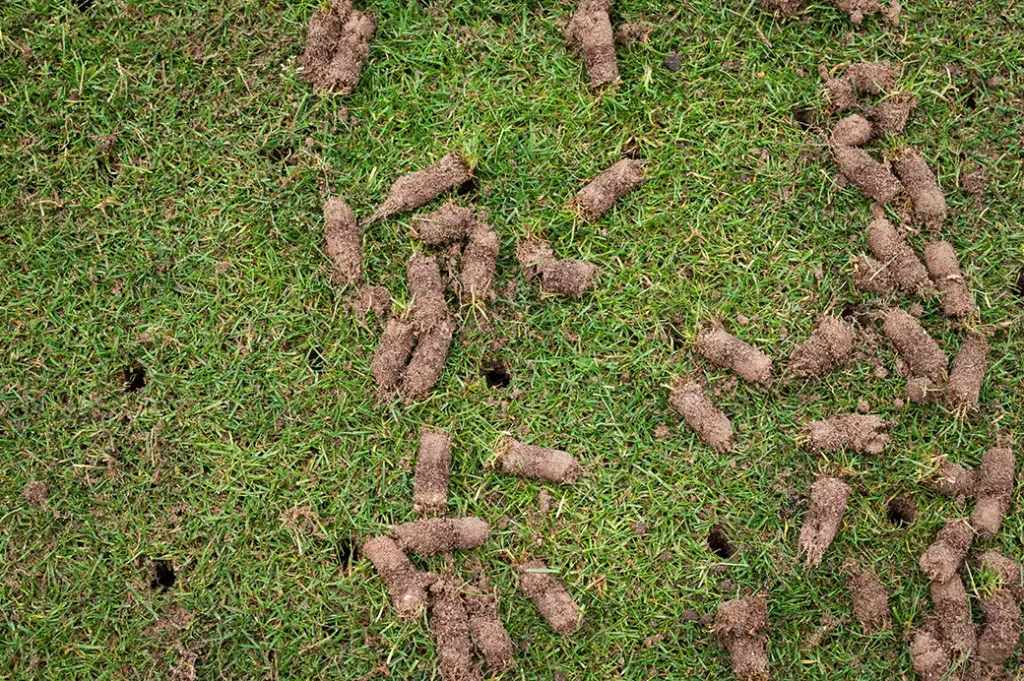
After a summer filled with intense heat and outdoor activity, Central Texas soil becomes severely compacted. When soil bakes under the Texas sun, it hardens into an impenetrable layer that blocks oxygen, water, and vital nutrients from reaching the root zones of your grass.
Executing a proper lawn care protocol requires addressing the root zone first. Without providing soil compaction relief, fertilizer application and surface watering will simply wash away.
The Three-Step Soil Recovery Strategy
To fix heat-packed soil and bring your grass back to life, follow this essential three-step recovery process:
- Step 1: Core Aeration. Pulling hollow soil plugs relieves pressure on root zones, immediately opening up physical channels so the earth can breathe.
- Step 2: Organic Compost Application. Spreading a fresh layer of organic compost fills those newly opened holes with vital nutrients and beneficial microorganisms.
- Step 3: Deep Water Penetration. Loosened soil absorbs moisture deep below the surface, allowing root systems to store hydration rather than letting water run off into the street.
Unlocking the Root Zone with Core Aeration
Core aeration is the process of pulling small, hollow cores or “plugs” of soil out of your lawn. These tiny channels instantly allow compacted earth to breathe.
Instead of letting autumn rain run off into storm drains, core aeration gives water a direct path down into the root system. If you want to know how to recover St. Augustine grass after summer heat, relieving root pressure via mechanical aeration is step number one.
Feeding the Biology with Compost
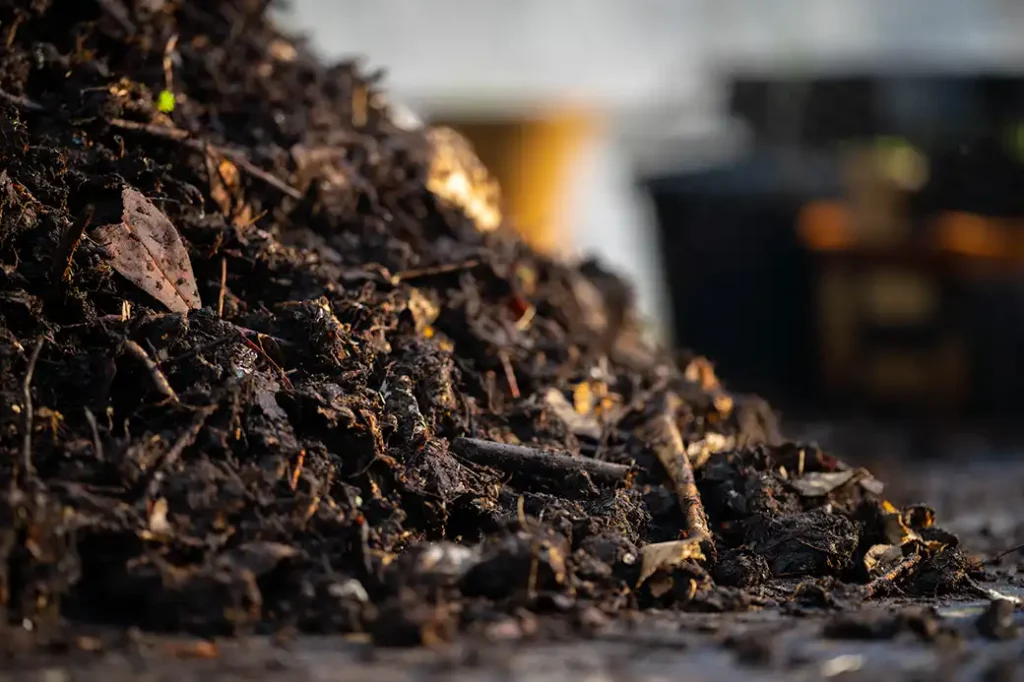
Directly following core aeration, spreading a thin, 1/4-inch layer of rich organic compost top-dressing over your grass yields massive benefits:
- The rich organic matter drops directly into the open core holes created by aeration.
- Microbial activity explodes, breaking down remaining thatch layer by layer.
- Soil moisture retention increases dramatically, reducing total water needs.
- Grass stolons spread aggressively into the freshly nutrient-rich channels.
For home properties with St. Augustine or Zoysia turf, booking professional Lawn aeration in Austin, TX early in the month guarantees your grass develops the deep root depth required to survive winter freezes.
Fall Lawn Care: Bed Cleanup and Annual Refresh
Your summer flowers have likely given everything they have. Late summer garden beds often display spent blooms, yellowing leaves, and leggy growth. Fortunately, early autumn in Austin acts like a “second spring.” The combination of warm soil temperatures and milder afternoon air triggers a massive secondary growth spurt for Texas native plants and perennials.
Pruning and Bed Maintenance
A big part of Fall lawn care is targeted perennial pruning. Cut back dead foliage and spent flower stalks on tough native plants like Salvia, Lantana, and Coneflowers. Trimming these back by one-third encourages clean, fresh stems and triggers a vibrant round of October blooms.
| Plant Type | Pruning Action | Expected Fall Response |
| Autumn Sage (Salvia greggii) | Cut back by 1/3, removing woody stems | Lush green push with dense red/pink blooms |
| Purple Coneflower | Deadhead spent seed heads | Secondary blooming cycle before winter |
| Trailing Lantana | Trim back leggy vines | Compact growth and dense fall color |
| Black-Eyed Susan | Cut back damaged lower leaves | Strong root growth and continuous blooms |
Planting Cool-Season Color
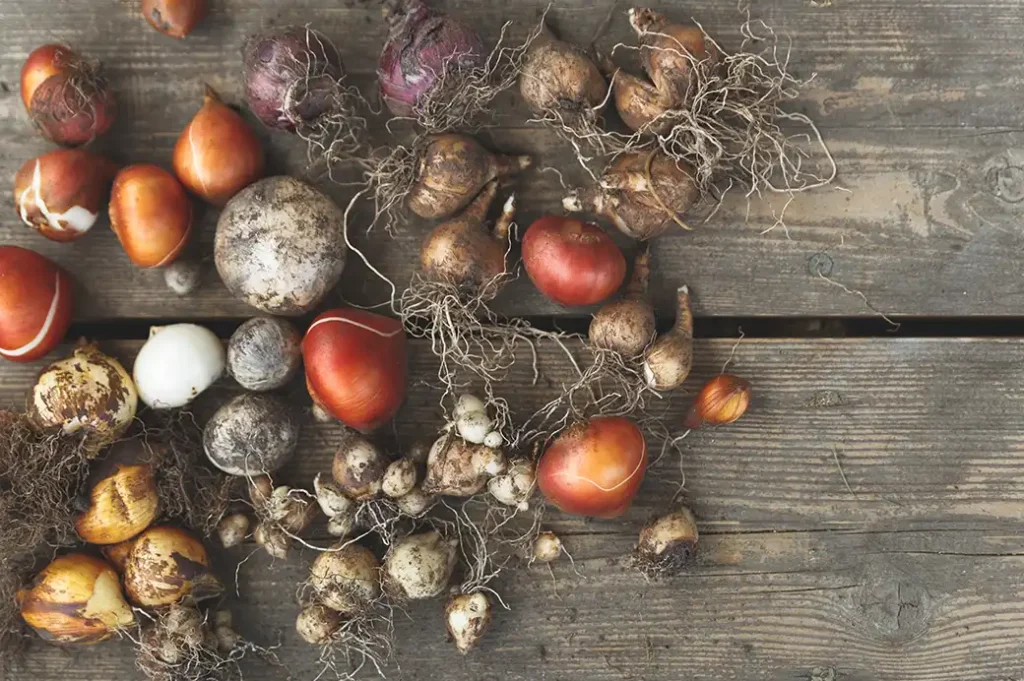
Once you’ve cleaned up existing beds, it’s time to install cool-season annuals. If you are researching the best fall flowers to plant in Austin in September, prioritize varieties that tolerate early warm snaps while thriving through crisp fall nights:
- Marigolds: Provide rich yellow, gold, and bronze tones that mirror the changing foliage.
- Snapdragons: Add vertical height and bright color spikes to border plantings.
- Pansies & Violas: Highly resilient flowers that keep blooming continuously well into winter.
- Ornamental Cabbage & Kale: Offer striking purples, creams, and deep greens that intensify as temperatures drop.
Finish your bed refresh by applying a fresh 1- to 2-inch layer of natural shredded hardwood mulch. Mulch acts as an insulating blanket, suppressing late-season weeds while keeping moisture locked around newly planted roots.
Seasonal Irrigation Adjustments for Fall Lawn Care
One of the most common mistakes local homeowners make as September rolls in is leaving their smart sprinkler controllers on the aggressive “August heatwave” setting.
During August, hot days require high watering volumes and frequent cycles, though much of that water is lost to rapid evaporation. In September, you must shift your approach to deeper, less frequent soaks. Because daytime temperatures temper and nights cool down, the soil retains moisture for much longer periods, eliminating the need for constant watering.
Overwatering in September creates soggy soil conditions that invite turf pathogens.
Preventing Seasonal Turf Diseases
High humidity combined with warm days and cooler autumn nights creates the absolute ideal environment for turf diseases, specifically Large Patch fungus in St. Augustine lawns. Fall lawn care plans should include effective fungal prevention that starts at the sprinkler box:
- Reduce Frequency: Transition from watering three times a week down to once or twice, depending on localized rainfall.
- Water in the Early Morning: Set irrigation timers for 4:00 AM to 8:00 AM. Avoid late afternoon or evening watering, which leaves blade grass wet overnight.
- Inspect Systems for Wear: Summer mower activity and intense heat frequently damage pop-up spray heads. Run a manual test zone to catch broken heads or misaligned nozzles.
- Audit Drip Lines: Check drip lines in bed zones to confirm emitters aren’t clogged with root intrusion or fine dirt before installing new plants.
For comprehensive information on local water conservation guidelines, review the current outdoor watering rules published by the City of Austin Water Utility.
The Southern Landscape Advantage

Revitalizing a heat-damaged property requires comprehensive expertise that goes beyond basic mowing. At Southern Landscape, we provide complete autumn property transformations tailored directly to Central Texas soil and microclimates.
September landscape maintenance in Central Texas takes the frustration out of seasonal transitions. We take the guesswork out of autumn planning, design, installation, and maintenance so you can enjoy a vibrant, healthy yard all season long.
Executing proper fall lawn care in September restores your lawn’s health, protects your plant investment, and unlocks the full potential of your outdoor spaces for the crisp months ahead.
Ready to give your property a boost? Contact Southern Landscape today.