
We’re in the final, toughest stretch of the Texas summer. While August brings the year’s highest temperatures, it also marks the countdown to cooler evenings, backyard barbecues, and college football Saturdays. It’s the time of year when we collectively look forward to the relief of autumn, yet our backyards remain trapped in the seasonal doldrums. Right now, outdoor living spaces in Austin are likely too hot to enjoy, and your outdoor kitchen or fire pit has been sitting dusty and neglected since May. It doesn’t have to be this way. By upgrading your patio with active cooling systems in August and prepping your hardscape entertainment zones now, you can enjoy your outdoor living space today and ensure it is fully ready for fall hosting.
Transforming your backyard into a multi-season oasis requires a deliberate shift from passive endurance to active climate management. When you treat the late-summer heat as a preparation window rather than a deterrent, you gain a massive logistical advantage. The key is integrating immediate relief strategies with long-term infrastructure adjustments. Investing in your exterior property now guarantees that you won’t be caught in the seasonal rush when the first true cold front finally sweeps through Travis County. Reclaiming your residential footprint means creating luxurious, highly functional outdoor living spaces in Austin that perform beautifully in August, November, and every month in between.
- Active Cooling for Late-Summer Survival
- Outdoor Living Spaces in Austin: The Outdoor Kitchen and Grill Tune-Up
- Prepping Fire Features for the First Cool Front
- The Southern Landscape Advantage
- Maximizing the Value of Your Outdoor Living Spaces in Austin
- Long-Term Planning: Architectural Shade Structures for Outdoor Living Spaces in Austin
- Conclusion
Active Cooling for Late-Summer Survival
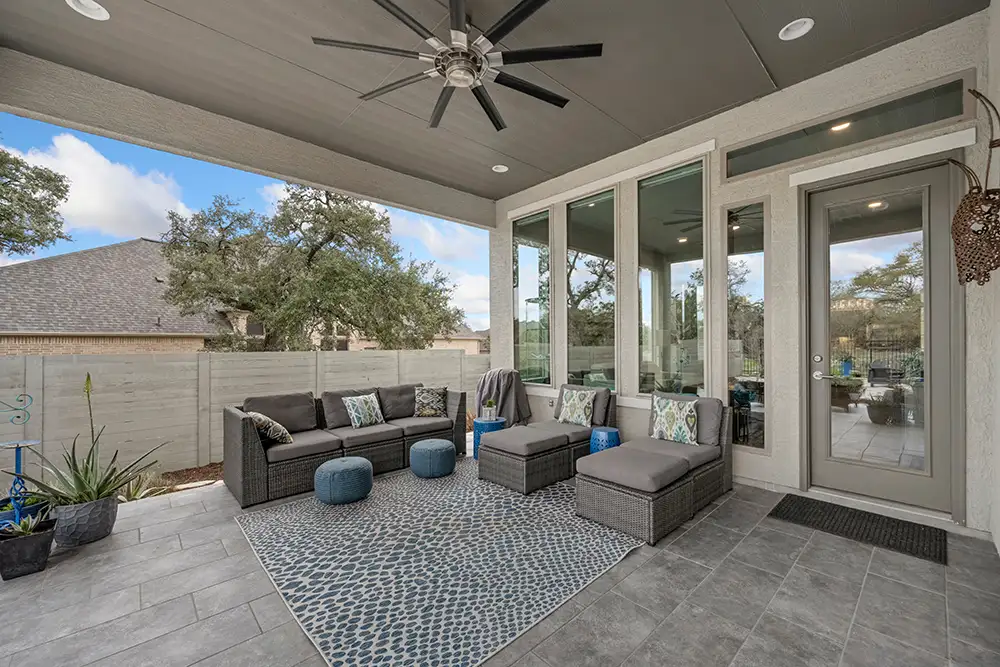
Don’t wait for October to use your patio. High-pressure cooling systems can lower the ambient temperature of your outdoor living area by up to 20°F, even in August. The secret to surviving the final stretch of the summer heatwave lies in manipulating the local microclimate. By combining thermal barrier principles with mechanical airflow, you can establish a comfortable sanctuary right outside your back door. To achieve this, several highly effective patio cooling systems Texas homeowners rely on can be integrated seamlessly into your existing architecture.
Evaporative Cooling Metrics
- Hardware Store Kits (Low-Pressure): Operating under 100 PSI, these setups produce heavy, coarse droplets that pool on tables, saturate fabric cushions, and leave guests damp.
- Professional Systems (High-Pressure): Utilizing specialized pumps to reach a minimum of 1,000 PSI, these setups force water through micro-nozzles to absorb roughly 970 BTUs of heat per pound of water.
- The Thermodynamic Result: The heavy water immediately transforms into an invisible vapor upon hitting the hot air, dropping localized target area temperatures by up to 20°F without increasing ambient surface moisture.
The Power of High-Pressure Misting
When looking at how to cool an outdoor patio in August, the mechanics of your equipment matter immensely. Professional high-pressure misting systems operating at a minimum of 1,000 PSI are vastly superior to the cheap, low-pressure plastic kits found at local hardware stores. Low-pressure lines simply create coarse water droplets that pool on surfaces, saturating your furniture, rugs, and guests.
A commercial-grade 1,000 PSI system utilizes a specialized pump to force water through micro-sized ruby or stainless steel orifices. This mechanical shearing action creates micro-droplets between 5 and 10 microns in size. The moment these microscopic droplets hit the hot ambient air, they undergo flash evaporation, instantly absorbing heat energy from the atmosphere and turning into invisible vapor before they can ever touch a surface. This process delivers a true dry cooling fog that lowers temperatures dramatically without adding ambient dampness.
Architectural Airflow and Directional Fans
In our humid Central Texas climate, flash evaporation needs a helping hand to reach maximum efficiency. Saturated air slows down the evaporation phase, meaning stagnant pockets of mist will eventually lose their cooling efficacy. Installing heavy-duty, outdoor-rated ceiling fans or wall-mounted oscillating fans is essential to keep mosquitoes away and circulate cool air.
The continuous movement of air breaks up localized humidity pockets, accelerating the flash evaporation cycle and amplifying the wind-chill effect on your skin. Furthermore, the consistent physical barrier created by high-velocity fans keeps notorious Texas pests from disrupting your evening dinner parties.
Structural Shade Sails and Solar Blocks
Before you can effectively cool the air, you must mitigate the raw radiant energy striking your hardscapes. Utilizing temporary or permanent fabric shade sails blocks the late-afternoon western sun, preventing stone pavers and concrete foundations from acting as massive thermal batteries.
When solar radiation strikes unshaded flagstone, the material absorbs heat all afternoon and radiates it back into your seating zones long after the sun goes down. High-density polyethylene shade sails reflect up to 95% of harmful UV rays, keeping the ground beneath them significantly cooler and allowing your active cooling systems to work with maximum efficiency.
Outdoor Living Spaces in Austin: The Outdoor Kitchen and Grill Tune-Up
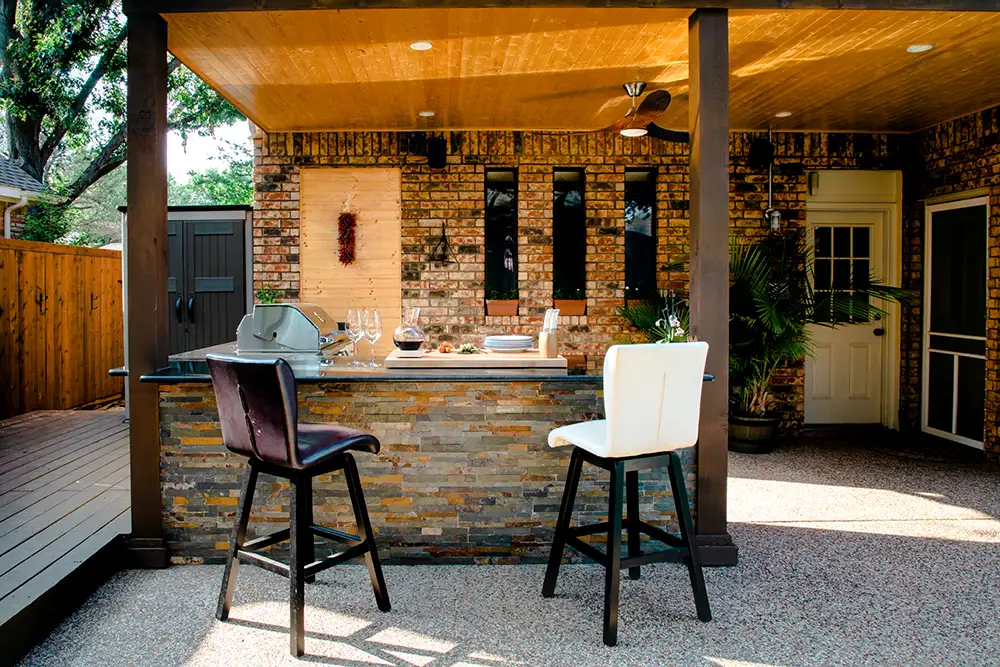
Your outdoor kitchen is the centerpiece of fall game-day entertaining. August is the time to clean, inspect, and upgrade this space before the guests arrive. The transition from summer dormancy to autumn high-utility requires a meticulous inspection of all culinary components. Waiting until the morning of the big game to fire up your burners often reveals line blockages, degraded seals, or electrical faults that can instantly halt your hosting plans. Taking the time for thoughtful outdoor kitchen design makes fall entertaining during the late summer flawless.
Gas and Electric Infrastructure Audits
- Line and Burner Clearance: Disconnect your gas sources and inspect all primary lines for micro-fissures or weathering. Mud daubers and spiders love to spin dense webs inside burner ports and venture tubes during the quiet summer months, which restricts gas flow and causes dangerous flare-ups. Use a fine wire brush or paperclip to clear out every individual port hole.
- Appliance Seal Verification: Check the rubber gaskets and magnetic seals on your outdoor refrigerators and icemakers. The intense Central Texas heat forces these appliances to work twice as hard; if a seal is compromised, moisture will seep in, causing rapid frost buildup and premature compressor failure.
- Electrical Safety Grounds: Ensure all ground-fault circuit interrupter outlets are cleared of dirt and dust. Test the trip mechanisms to guarantee that unexpected late-summer thunderstorms won’t cause electrical shorts across your built-in appliances.
Stone and Countertop Restorations
The surfaces of your culinary station endure significant environmental stress throughout the year. It’s critical to clean and re-seal natural stone countertops to protect them from grease and intense UV fading. Our native Lueders limestone countertops look beautiful but can stain easily from summer grease, acidic marinades, and dust if they aren’t sealed before fall hosting season begins. Before applying a seasonal seal, it is highly recommended to check local water conservation statuses and wash guidelines on the Austin Water Utility portal to ensure you are utilizing water efficiently during late-summer maintenance cycles.
Using a specialized stone cleaner to pull out embedded oils followed by a premium, breathable penetrating sealer creates an invisible hydrophobic barrier. This shield stops liquids from soaking into the porous stone while allowing natural moisture vapor to escape, preserving the pristine texture of your stonework.
Illuminating the Evening Layout
As the calendar inches closer to autumn, the days naturally grow shorter. To maintain a safe and inviting cooking environment, a thorough lighting check is necessary. Ensure under-counter LED strip lights and outdoor task lighting are functioning for those early fall sunsets. High-quality illumination along prep zones, cutting surfaces, and step transitions keeps your culinary operations safe and visually spectacular well after dusk.
Prepping Fire Features for the First Cool Front
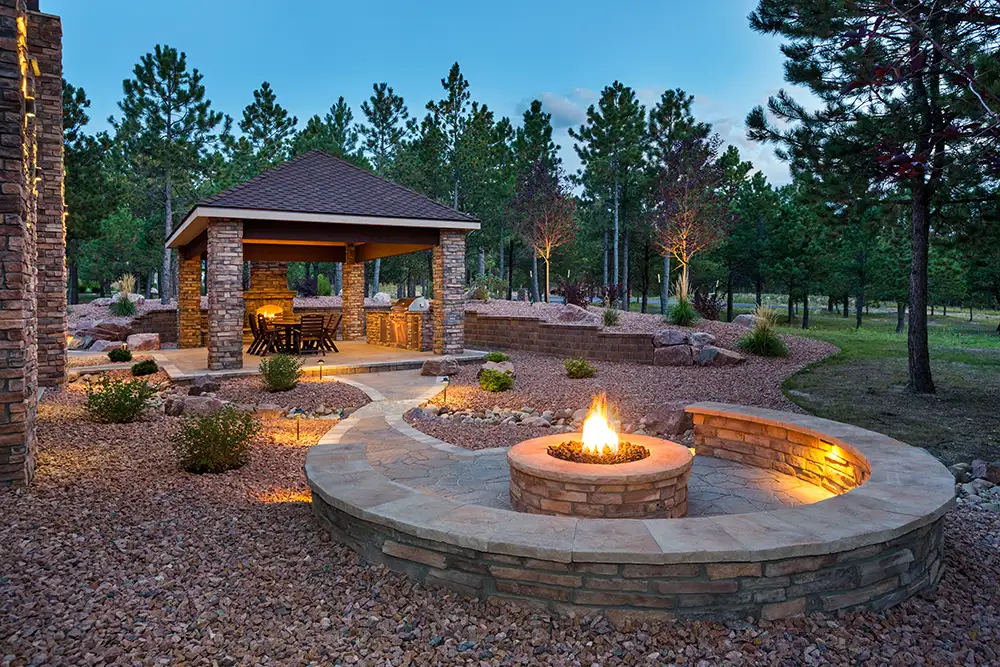
The first true cool front of autumn is one of the best nights of the year in Austin. Having your fire pit or outdoor fireplace ready to go ensures you don’t miss a minute of it. The sudden drop in temperature brings a wave of excitement, and there is nothing quite like gathering around a crackling flame with family and friends. However, a fire feature that has been sitting idle for six months requires intentional maintenance before you strike the first match.
Gas Fire Pit Operational Checks
If you have a gas-powered unit, proper gas fire pit safety dictates a thorough pre-season inspection. Check the burner ring for blockages caused by shifting lava rock, outdoor debris, or nesting insects. Clear out leaves that may have gathered inside the pan, as dried organic material can easily ignite and create uncontrolled smoke. Test the electronic ignition system and check the thermocouple to ensure the safety valve shuts off the gas supply instantly if the flame happens to blow out during a gusty autumn evening. For those looking to install a new focal point, partnering with professional custom fire pit builders ensures your gas lines, valves, and ventilation profiles meet all strict safety codes. You should always consult the safety guidelines managed by the Travis County Fire Marshal to review local burn restrictions before running your outdoor heat units.
Wood-Burning Fireplace Restoration
- Flue and Damper Inspections: Open the damper completely and use a high-powered flashlight to look up the chimney structure. Check for creosote accumulation, bird nests, or structural masonry cracks that could impede the drafting of smoke.
- Ash Pit Clearance: Clean out any residual ash or carbon buildup from last winter. Leftover ash absorbs environmental moisture, creating a highly corrosive paste that can degrade mortar joints and firebricks over time.
- Firewood Sourcing Logistics: Stock up on seasoned Texas oak, pecan, or mesquite firewood while summer prices are still low and availability is high. Ensure your woodpile is elevated off the ground and placed well away from your home’s foundation to deter subterranean termites.
Reconfiguring the Seating Biome in Outdoor Living Spaces
Take the time to arrange comfortable outdoor furniture around the fire feature, ensuring safe clearance distances. The general rule of thumb is to maintain at least three to four feet of clear space between the edge of the fire structure and your seating options. This space allows for comfortable legroom and easy movement while preventing heat damage to delicate outdoor fabrics. It is also an excellent opportunity to deep-clean your cushions and check wood-burning fire features for nesting pests like wasps or scorpions that love to hide in woodpiles during August.
The Southern Landscape Advantage
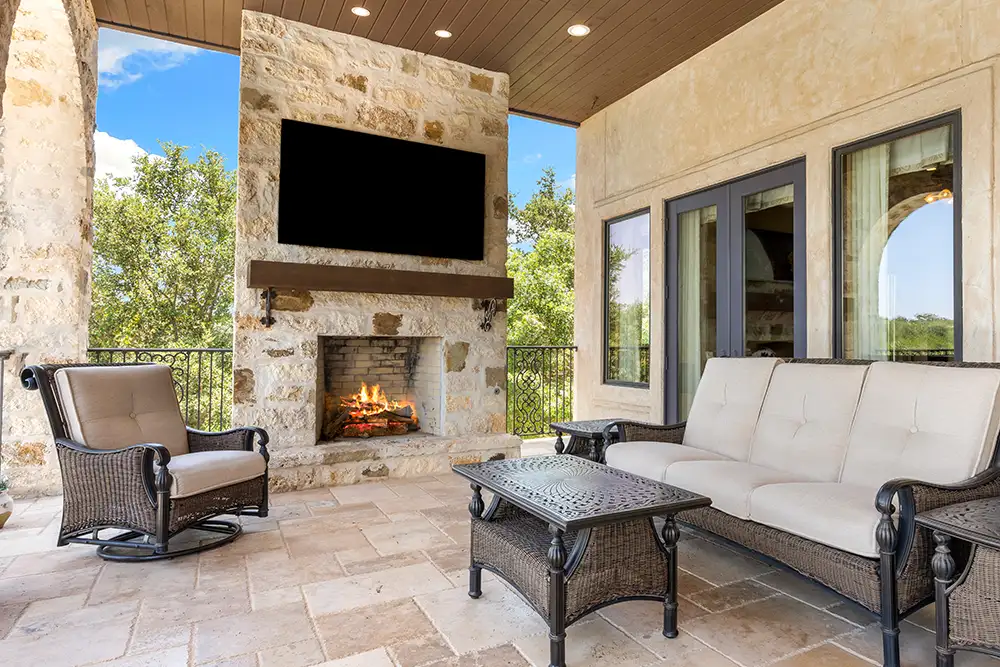
Creating a truly seamless indoor-outdoor transition requires professional integration of masonry, gas utilities, and structural shade. At Southern Landscape, we approach outdoor design with a comprehensive, master-planning philosophy. We understand that a luxury landscape must be resilient enough to handle the volatile climate shifts of the Texas Hill Country. We utilize August to finalize 3D designs and begin the excavation and soil conditioning process so your yard is ready for planting and building the moment the first cool front arrives.
Our in-house teams of expert masons, carpenters, and technicians ensure that every element of your property is built to commercial-grade standards. From complex carpentry to precise stone masonry, we control every phase of the construction pipeline. Southern Landscape designs and builds custom outdoor kitchens, stone fireplaces, and integrated cooling structures designed to withstand the extremes of Texas weather. We build entertaining spaces that transition effortlessly from the peak heat of August to the cool nights of November, giving you year-round utility.
Maximizing the Value of Your Outdoor Living Spaces in Austin
To help you coordinate your late-summer upgrades and maintenance schedules efficiently, the following table details the core operational focuses needed to maximize the performance of your outdoor living spaces in Austin this season.
| Feature Classification | August Maintenance Focus | Core Component / Tool | Long-Term Strategic Value |
| Active Cooling Structures | Nozzle inspection, pump pressure checks, and fan cleaning. | 1,000 PSI high-pressure pumps and outdoor-rated oscillating manifolds. | Extends patio usability through the peak summer months by dropping ambient heat up to 20°F. |
| Culinary Stations | Gas line clearing, appliance seal tests, and stone sealing. | Deep-penetrating stone sealers and orifice cleaning brushes. | Prevents permanent grease staining on premium stone work and ensures total game-day reliability. |
| Thermal Fire Features | Burner ring cleaning, flue inspections, and woodpile staging. | Flue dampers, electronic ignitions, and seasoned hardwood stocks. | Guarantees instant functionality the moment the first autumn cold front arrives in the region. |
Long-Term Planning: Architectural Shade Structures for Outdoor Living Spaces in Austin
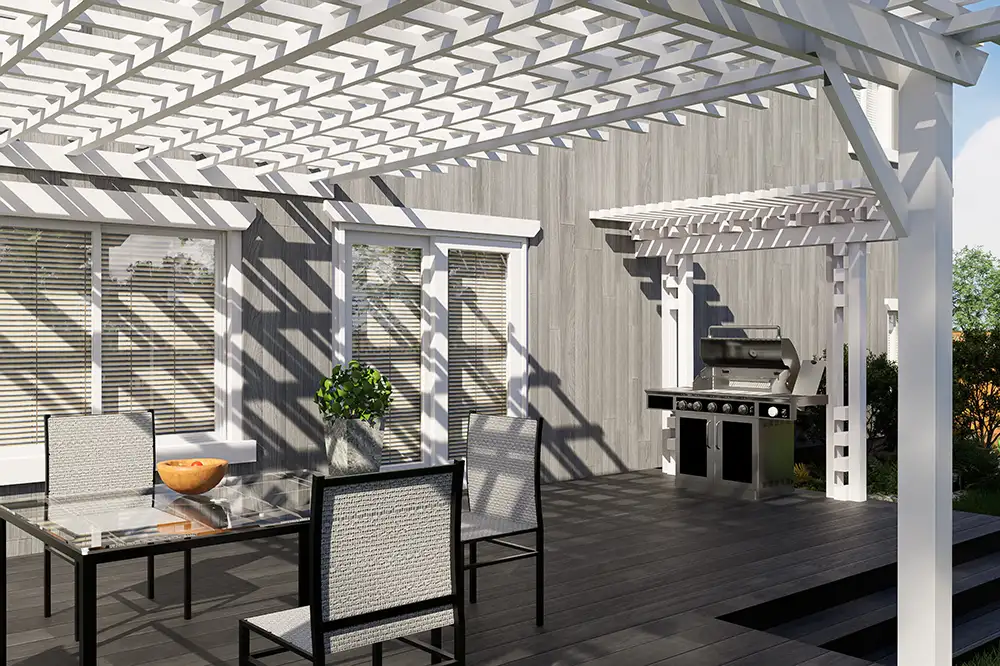
While high-pressure misting lines and directional fans offer instant thermodynamic relief, integrating permanent architectural shade elements provides the definitive foundation for your property’s climate strategy. When thinking about how to seamlessly blend aesthetics with environmental defense, investing in custom pergolas and pavilions stands out as the premium option. These permanent timber and stone installations do more than just drop a shadow over your outdoor living spaces in Austin; they completely redefine the architectural footprint of your home. Before constructing new permanent shade elements, it is essential to reference the official City of Austin Residential Building Review requirements to verify maximum height allowances and property boundary setbacks.
A custom-designed pavilion featuring a fully decked tongue-and-groove ceiling offers complete protection from both intense UV radiation and sudden rainstorms. This permanent roof structure allows you to safely mount luxury indoor-outdoor televisions, high-end audio arrays, and integrated kitchen setups without worrying about weather exposure. On the other hand, a modern louvered pergola provides an adjustable landscape element, giving you the ability to open the canopy for winter sunlight or close the louvers tightly to block the midday summer heat.
Conclusion
We’ve covered how high-pressure misting keeps you cool in August, how to tune up your outdoor kitchen for game day, and how to prep your fire features for the coming cool fronts. Reclaiming your backyard during the final weeks of the summer heatwave isn’t just about immediate comfort; it’s about setting a deliberate stage for the most vibrant hosting months of the year. By approaching your property with a proactive preservation mindset, you eliminate the stress of seasonal backlogs and technical failures.
Your backyard shouldn’t have an off-season. With a few smart updates this August, you can reclaim your patio now and be the ultimate host this fall. Let our expert teams manage the structural integration, gas line engineering, and premium stone masonry while you focus on planning your upcoming menu and guest lists. Ready to upgrade your outdoor entertainment game? Contact Southern Landscape today to design your custom patio, outdoor kitchen, or fire feature. We look forward to partnering with you to bring your unique structural vision to life.