
- Selecting the Summer Survivors: Best Native Plants for Spring Planting in Austin
- Building the Foundation: Soil and Root Zone Health
- Prepping Your Infrastructure: The Irrigation Tune-Up
- Why Timing Matters: The May Heat Wall
- The Southern Landscape Advantage: Engineering Outdoor Living
- Spring Planting in Austin: Make Your Move Before the Heat Does
The window for strategic spring planting in Austin is as vibrant as it’s fleeting. By the time April arrives, the initial burst of wildflowers is in full swing, and the local landscape is waking up in a wash of lime greens and bright petals. For many homeowners, this is the ultimate gardening bug season. However, in Central Texas, April isn’t just a time for aesthetic upgrades—it’s a high-stakes race against the clock. Every perennial, shrub, and tree planted now is in a sprint to establish its root system before the unrelenting heat of July and August settles over the Hill Country.
Spring in Austin feels sudden and energetic. Everything bursts into bloom seemingly overnight, and suddenly, the desire to transform the backyard becomes an urgent priority. The problem is that homeowners are often eager for immediate color, buying plants that look beautiful on an April afternoon but often wither and die when the first 100-degree days arrive in June.
A beautiful Austin garden in April is easy, but a beautiful garden in August requires strategic choices made right now. By selecting deep-rooted native plants and prioritizing thorough soil preparation during these peak spring months, you’re investing in a resilient landscape that survives the coming summer heat. At Southern Landscape, we believe in planting for the future, ensuring that your investment today yields a lush sanctuary through the dog days of summer.
Selecting the Summer Survivors: Best Native Plants for Spring Planting in Austin
April is the critical moment to finalize your Spring planting in Austin. While March is often about the first break of dormancy, April and May are the months to install container-grown species that will define your landscape’s architecture for years to come. To ensure their survival, we prioritize drought-tolerant plants in Central Texas that are known for their ability to hit the ground running.
Showstoppers for April and May
To get immediate color that won’t vanish when the thermometer hits 100°F, consider these resilient beauties:
- Esperanza (Yellow Bells): A true Texas Superstar®. Its bright yellow clusters thrive in the heat and provide a lush, tropical look without the high water demands. It’s incredibly prolific, blooming from late spring through the first frost.
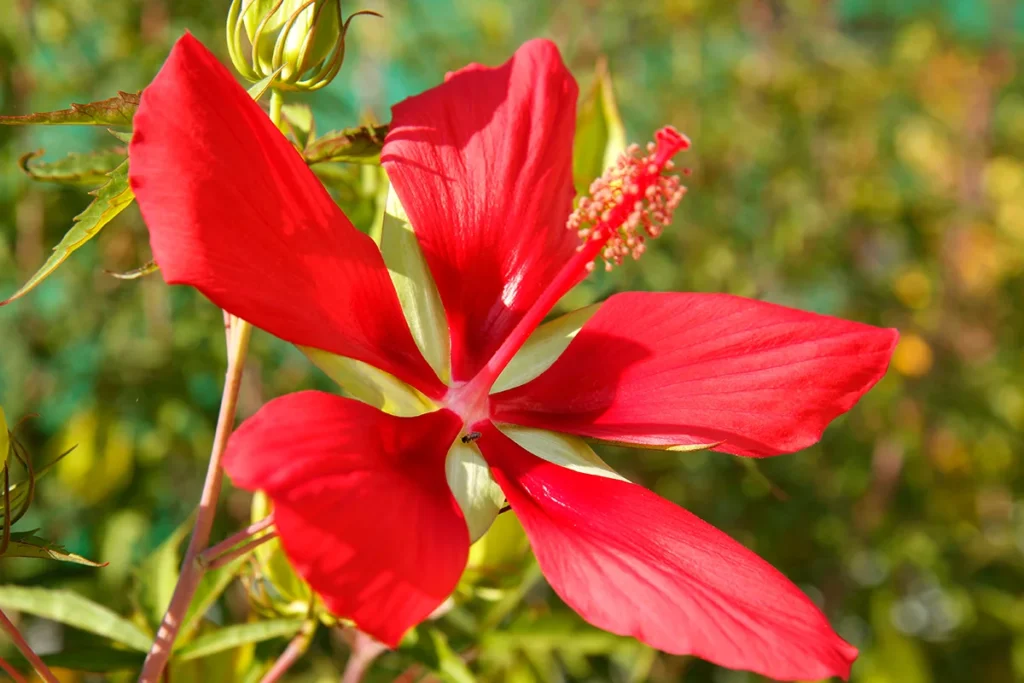
- Texas Star Hibiscus: This perennial is a structural marvel. It handles the humidity of a wet May and the searing sun of a dry July with equal grace. Its large, crimson stars are a beacon for local pollinators.
- Crossvine: If you have a fence or pergola that needs coverage, April is the time to get Crossvine established. Its trumpet-shaped blooms are a favorite for hummingbirds passing through Central Texas. Unlike some invasive vines, Crossvine is well-behaved and incredibly hardy.
- Flame Acanthus: This shrub is a magnet for hummingbirds and butterflies. It produces fiery orange-red tubular flowers and is one of the most heat-tolerant species available for Austin landscapes.
Establishing Long-Term Architecture: Trees and Large Shrubs
While it might feel late to plant trees as the weather warms, April is actually a fantastic time for specific heat-loving varieties that prefer warmer soil to begin their root expansion.
- Desert Willow (Chilopsis linearis): Despite its name, it’sn’t a true willow. It’s a drought-warrior that produces airy, orchid-like flowers. It thrives in the limestone-heavy soils of Westlake and the Hill Country.
- Anacacho Orchid Tree: A smaller, multi-trunked tree perfect for tighter urban lots. Its hoof-shaped leaves and white spring flowers are delicate in appearance but incredibly tough in practice.
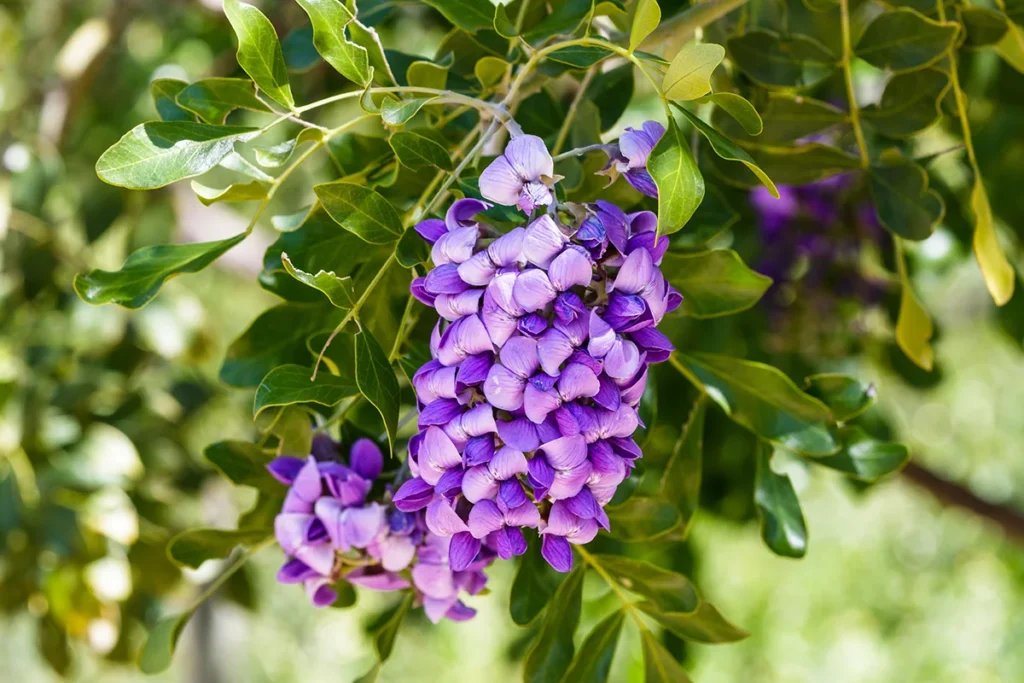
- Texas Mountain Laurel: While these typically finish their spectacular purple bloom in March, April is a great time to plant container-grown specimens. They are slow growers, so getting them in the ground now allows them to focus on root development before the summer dormancy hits.
The Strategy: When shopping, look for plants known for Deep-Root potential. In neighborhoods like Circle C and Westlake, the rocky or clay-heavy soil can be a barrier. Choosing plants that naturally seek depth is your best defense against the dry summers ahead. You can find a comprehensive list of adapted species through the City of Austin’s Grow Green guide.
Building the Foundation: Soil and Root Zone Health
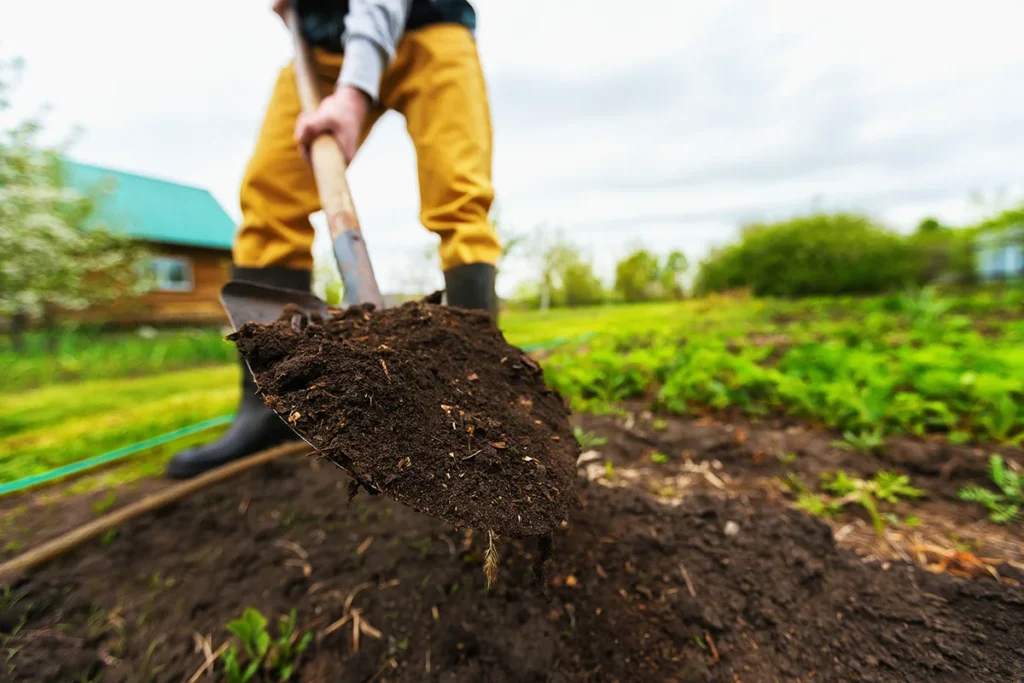
Planting in the rigid clay common across much of East and Central Austin is like planting in a cement pot. Successful survival during Austin landscape maintenance in March and April requires going far beyond a standard shovel hole. If the roots can’t breathe or expand, the plant will fail by Father’s Day. Many homeowners mistake this suffocation for under-watering, leading to a cycle of over-saturation that only speeds up the plant’s demise.
The Rule of Three: Engineering the Hole
When considering how to establish new plant roots for Texas summer, don’t skimp on the manual labor. At Southern Landscape, we follow a strict protocol for installation:
- Width vs. Depth: Dig the planting hole two to three times wider than the root ball, but no deeper than the root ball itself. This ensures the plant sits on solid, unexcavated ground so it doesn’t sink, while the lateral roots have immediate space to expand into loosened soil.
- The Glaze Factor: In heavy clay, the act of digging with a shovel can glaze or polish the sides of the hole, creating a smooth, impenetrable wall. Use a hand tool to scarify or roughen the edges of the hole so roots can actually bite into the native earth.
Soil Amendment for Clay Soil
Successful soil amendment for clay soil is a delicate balance. We recommend backfilling your new plants with a mix of 70% native soil and 30% organic compost.
- Why native soil? If you fill the hole with 100% rich potting soil, the roots will never want to leave the hole. They will circle the pot just like they did in the plastic container, eventually girdling the plant. By mixing in native soil, you force the plant to acclimate to its permanent environment.
- Microbial Health: Quality compost introduces beneficial fungi and bacteria that assist with nutrient uptake. For Austin’s alkaline soils, adding a bit of expanded shale can also permanently improve aeration.
Mulch Installation: The 3-Inch Rule
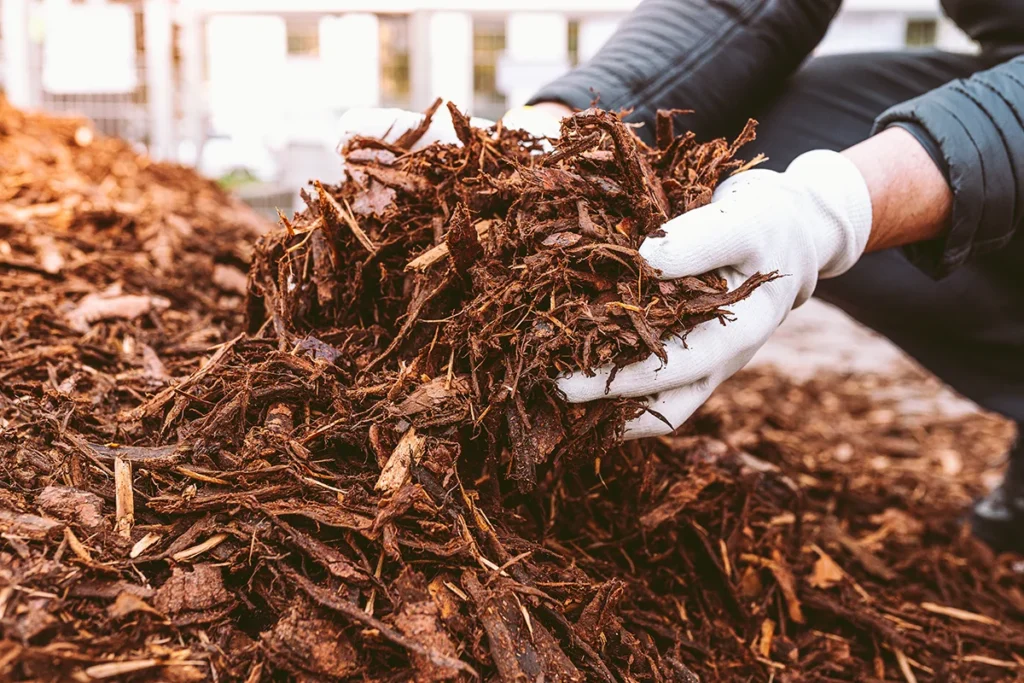
A uniform 3-inch layer of shredded hardwood mulch is non-negotiable for spring planting in Austin. This layer acts as a thermal barrier, protecting fragile root zones from moisture loss and extreme soil temperature fluctuations.
- Insulation: Mulch can keep soil temperatures up to 15 degrees cooler in July.
- Moisture Retention: It prevents the top layer of soil from crusting over, allowing water to penetrate more deeply.
- The Donut Technique: Always keep mulch 2-3 inches away from the trunk or stem of the plant. Mulch volcanoes trap moisture against the bark, which can lead to fungal infections and rot.
For more on the science of soil health, the Lady Bird Johnson Wildflower Center offers incredible resources on how native mulch supports local ecosystems.
Prepping Your Infrastructure: The Irrigation Tune-Up
By April, your automated irrigation system should be fully awake, but is it performing efficiently? Running a full diagnostic now, before plants are stressed and before mandatory water restrictions in Austin intensify, is vital for a successful summer. Many systems lose 30-50% of their water to evaporation or runoff due to poor maintenance.
The April Run-Through: A Zone-by-Zone Audit
Every irrigation system tune-up in Austin should include a wet test of every single zone. Don’t just look at the controller–you need to see the water hitting the ground.
- Check for Geysers: Broken spray heads can waste hundreds of gallons in a single cycle. These are often caused by lawnmowers or vehicles clipping a head.
- Adjust for Coverage: Wind drift and overgrown plants can block spray patterns. Ensure you’re watering the landscape, not the driveway or the side of your house.
- Nozzle Cleaning: Minerals in Austin’s water can clog fine misting nozzles. Unscrew and clean filters to ensure an even distribution of water.
Smart Upgrades for Modern Efficiency
If you’re still using a manual dial timer, you’re likely over-watering or under-watering based on outdated settings.
- Smart Irrigation Controller: These devices connect to local Wi-Fi and pull data from the National Weather Service. If the forecast calls for a 60% chance of rain in the 78745 zip code, the controller will automatically pause your system.
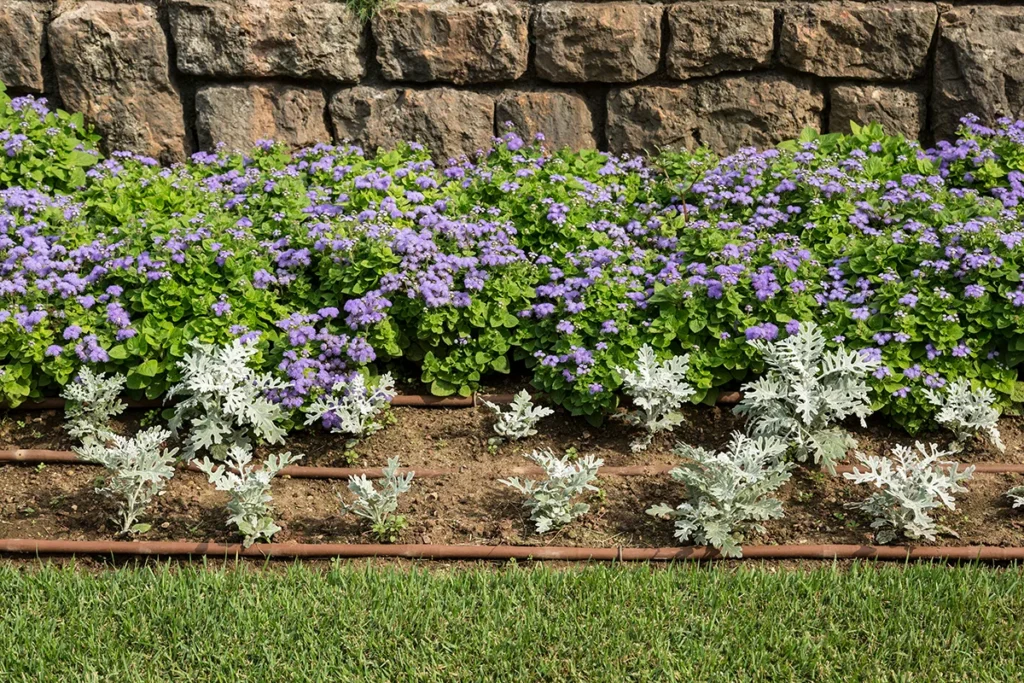
- Drip Irrigation: For your flower beds and new spring planting in Austin, converting to drip irrigation is the gold standard. It delivers water directly to the root zone, minimizing evaporation and preventing leaf diseases caused by overhead spraying.
- Rain Sensors: A simple, cost-effective addition that prevents your system from running during a downpour—a common sight in Austin that leads to unnecessary runoff.
Catching a single broken spray head or a programming error in April can save thousands of gallons of water and prevent the drowning of new plants during our heavy spring downpours.
Why Timing Matters: The May Heat Wall
In Central Texas, May is often our wettest month. While this provides a beautiful flush of growth, it can be deceptive. This moisture often comes with rising humidity and temperatures. If a plant is not in the ground by the end of April, it has significantly less time to develop the woody root structure needed to survive the heat wall that usually hits in mid-June.
By prioritizing your spring planting in Austin now, you take advantage of the milder nights and the spring rains. This allows the plant to focus its energy on subterranean growth rather than trying to keep its leaves hydrated during a heatwave.
The Southern Landscape Advantage: Engineering Outdoor Living
Successful planting in the Austin area requires more than just a shovel and a bag of mulch; it requires local engineering knowledge. At Southern Landscape, we approach every project with a built-to-last mentality. We don’t just plant a shrub; we analyze the site’s unique characteristics to ensure your investment thrives for decades.
Our Professional Process
Our full-service design and build packages include:
- Professional Irrigation Audits: We ensure your smart irrigation controller is calibrated perfectly for your specific slope, soil type, and plant water needs.
- Advanced Soil Analysis: We understand the geological difference between the limestone of the Hill Country in Westlake and the heavy clays of the Blackland Prairie. We tailor our soil amendments to your specific lot.
- Strategic Plant Placement: We evaluate the micro-climates of your property. A plant that thrives in the afternoon shade of an Oak tree might scorch if moved ten feet into the path of the setting sun.
- Drainage Solutions: Spring in Austin often brings torrential rains. We design landscapes that manage runoff effectively, preventing erosion and protecting your home’s foundation.
This level of meticulous detail ensures your investment in a new garden isn’t wasted by July. We build landscapes designed to last, utilizing the best sustainable practices to keep your property beautiful, functional, and eco-friendly.
Spring Planting in Austin: Make Your Move Before the Heat Does
April and May represent the critical finish line for the Austin planting season. The energy and strategic planning you put into your landscape during this brief window determines whether your yard flourishes or struggles when the triple-digit temperatures arrive. By focusing on Spring planting in Austin with a long-term strategy, you can enjoy a lush, vibrant sanctuary all summer long.
The secret to a stunning Texas garden isn’t more water; it’s better preparation. By selecting the right summer survivors, perfecting your soil, and ensuring your irrigation is peak-performance ready, you’re setting your home up for success. To learn more about regional gardening standards and how to support local biodiversity, visit the Texas A&M AgriLife Extension.
Would you like Southern Landscape to perform a professional irrigation audit or design a custom, drought-tolerant plant palette for your home? Contact us today to schedule your spring consultation and secure your landscape’s future. Let’s build a backyard that beats the heat together.